
- Understanding Jiefa Lignosulfonate and Its Applications
- Challenges in Textile Dyeing and How Jiefa Lignosulfonate Helps
- Best Practices for Integrating Jiefa Lignosulfonate in Production
- Case Studies: Success Stories With Jiefa Lignosulfonate
- Future Trends in Textile Industry and Jiefa Lignosulfonate Innovations
Understanding Jiefa Lignosulfonate and Its Applications
In today’s rapidly evolving industrial landscape, the demand for sustainable and efficient materials has never been more pronounced. One such material that has gained significant traction in various industries is Jiefa Lignosulfonate, a versatile lignin-based dispersant that provides a range of benefits. This article delves into what Jiefa Lignosulfonate is, its multifaceted applications across industries, and how it stands out as a preferred solution for manufacturers aiming to enhance product performance while adhering to environmental standards.
What is Jiefa Lignosulfonate?
Jiefa Lignosulfonate is derived from lignin, a natural polymer found in the cell walls of plants. It is produced through the sulfite pulping process and is recognized for its excellent dispersant properties. As a biodegradable and non-toxic substance, lignosulfonate aligns with the growing emphasis on sustainability in industrial practices. Its chemical structure allows it to reduce surface tension, aiding in the efficient dispersion of particles in various formulations, making it particularly valuable in industries such as textiles, agriculture, and construction.
Applications in Textile Dyestuff
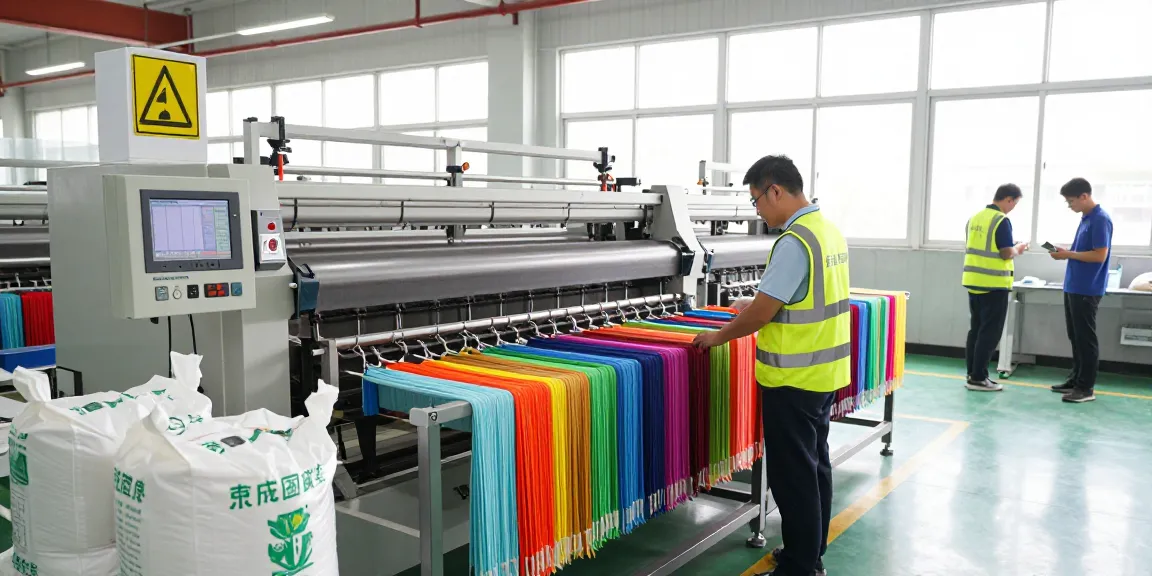
The textile industry is a significant consumer of Jiefa Lignosulfonate, particularly in dyeing processes. Its ability to improve the dispersion of dyestuffs leads to enhanced color uniformity and stability, particularly under high-temperature conditions. By integrating Jiefa Lignosulfonate into dye formulations, manufacturers can achieve brighter, more consistent colors while minimizing the risk of clumping or settling of dye particles, which is crucial for ensuring product quality.
Benefits of Using Lignosulfonate in Dyeing Processes
- Improved Dispersion: Ensures even distribution of dyes, enhancing color vibrancy.
- Stability: Maintains dye performance under various processing conditions.
- Cost-Effectiveness: Reduces overall dye consumption and processing costs.
- Environmental Compliance: Offers a sustainable alternative to synthetic dispersants.
Challenges in Textile Dyeing and How Jiefa Lignosulfonate Helps
Common Issues in Textile Dyeing
Despite advancements in technology, textile dyeing remains fraught with challenges. These include inconsistent product quality, high production costs, and application-specific requirements that vary significantly between different types of fabrics and dyes. Manufacturers often face difficulties in achieving uniformity in color application, which can lead to significant waste and financial losses.
Quality Control and Consistency Challenges
Ensuring consistent quality in dyed fabrics is paramount. Variations in dye uptake can arise from factors such as water quality, temperature fluctuations, and the type of substrate being dyed. Jiefa Lignosulfonate aids in overcoming these quality control issues by providing a stable medium that promotes uniform dye uptake and enhances the overall appearance of the final product.
Cost Efficiency: Reducing Production Expenses
High production costs are a common pain point for manufacturers. Jiefa Lignosulfonate offers a cost-effective solution by reducing the amount of dye required for satisfactory results while also minimizing waste. The use of lignosulfonate as a dispersant leads to fewer production re-runs and rejections, ultimately improving a company’s bottom line.
Best Practices for Integrating Jiefa Lignosulfonate in Production
Optimal Dosage and Mixing Techniques
Incorporating Jiefa Lignosulfonate into existing production processes requires understanding optimal dosage levels. Manufacturers should conduct preliminary tests to determine the most effective concentration for their specific applications. Mixing techniques also play a crucial role; utilizing high-shear mixers can significantly improve the dispersion of lignosulfonate in dye baths, leading to better dyeing performance.
Quality Assurance Measures
To maintain product quality, implementing rigorous quality assurance protocols is essential. Regular sampling and testing of dyed samples can help identify inconsistencies early in the production process. Utilizing Jiefa Lignosulfonate can streamline these quality checks, as its predictable behavior allows for easier monitoring of dyeing conditions.
Maintaining Environmental Standards
With increasing regulations surrounding chemical use in industrial processes, it is vital for manufacturers to adopt sustainable practices. Jiefa Lignosulfonate’s biodegradable nature makes it an ideal choice for firms looking to comply with environmental standards while also meeting performance objectives.
Case Studies: Success Stories With Jiefa Lignosulfonate
Company A: Improving Color Fastness
A leading textile manufacturer faced challenges with color fastness in their dyed fabrics. By integrating Jiefa Lignosulfonate into their dye formulations, they achieved a marked improvement in color retention during washing and light exposure. The change not only enhanced customer satisfaction but also reduced returns due to color fading.
Company B: Reducing Costs with Sustainable Solutions
Another case involved a brand looking to lower production costs. By switching to Jiefa Lignosulfonate from traditional synthetic dispersants, they not only reduced dye consumption by 20% but also improved their sustainability profile, further appealing to eco-conscious consumers.
Lessons Learned from Industry Leaders
These success stories underscore the importance of innovation and adaptability in the textile industry. Companies leveraging Jiefa Lignosulfonate have reported not only improved product quality but also enhanced operational efficiency, setting a benchmark for best practices in the industry.
Future Trends in Textile Industry and Jiefa Lignosulfonate Innovations
Advancements in Lignin-Based Technologies
The future of textile dyeing is likely to see further advancements in lignin-based technologies. Ongoing research into enhancing the properties of Jiefa Lignosulfonate can lead to even more effective formulations that address emerging challenges, such as the need for low-temperature dyeing processes or specific color effects.
Emerging Market Demands and Sustainability Goals
As consumer awareness of sustainability grows, manufacturers will face increasing pressure to adopt eco-friendly materials. Jiefa Lignosulfonate positions itself perfectly within this trend, satisfying demands for both performance and environmental responsibility. Companies that are proactive in incorporating sustainable materials will likely gain a competitive edge in the evolving market.
Strategies for 2026 and Beyond
Looking towards 2026, businesses will benefit from strategic partnerships that emphasize innovation and sustainability. Collaborating with suppliers such as Zhejiang Jiefa Technology can facilitate access to cutting-edge lignin-based solutions, helping manufacturers stay ahead of regulatory changes and consumer trends.
What are the benefits of using Jiefa Lignosulfonate in textiles?
The primary benefits include improved dye dispersal, enhanced color uniformity, cost savings through reduced dye usage, and compliance with environmental standards.
How does Jiefa Lignosulfonate compare to traditional dyes?
Unlike many traditional dyes, Jiefa Lignosulfonate is derived from natural sources, offering a non-toxic and biodegradable alternative that performs effectively in dye formulations.
What industries commonly use Jiefa Lignosulfonate products?
Besides textiles, Jiefa Lignosulfonate is widely utilized in agriculture, construction, and battery manufacturing, showcasing its versatility across various sectors.
Can Jiefa Lignosulfonate be integrated into existing manufacturing processes?
Yes, Jiefa Lignosulfonate can be seamlessly integrated into existing processes, often requiring only minor adjustments to achieve optimal performance.
What innovations can we expect from Jiefa in the future?
The future of Jiefa Lignosulfonate innovations may include enhancements in dispersion capabilities, new formulations designed for specific applications, and further advancements in sustainability, solidifying its leadership position in the industry.