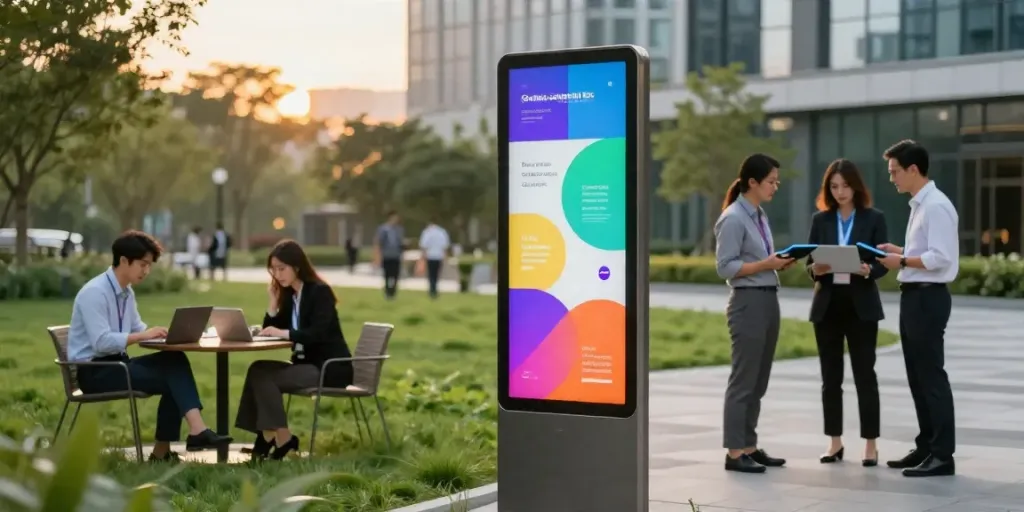
Understanding Totem Signs and Their Importance
In the world of business signage, Totem Signs stand out as functional, eye-catching installations that enhance visibility and convey critical information to customers. These freestanding signs effectively direct foot traffic and serve as landmarks in various environments, from bustling retail spaces to serene corporate parks. Their unique structure often allows for multi-faceted designs, representing a brand's identity and values while providing essential wayfinding assistance.
What are Totem Signs?
Totem signs are vertical, freestanding structures that serve as informative displays often located at entrances, outside corporate buildings, or in retail environments. They may feature logos, business names, directional arrows, and even digital displays. The tall, slender design of totem signs ensures high visibility, making them effective in busy areas where they can stand out among other forms of signage.
Different Types of Totem Signs
There are several variations of totem signs, each designed to meet specific communication needs:
- Single-Sided Totems: These signs display information on one side, ideal for locations where viewing from one direction is sufficient.
- Double-Sided Totems: Perfect for areas with traffic from multiple directions, these signs maximize visibility and impact.
- Digital Totem Signs: These modern adaptations use digital screens to display dynamic content, such as promotions, menus, or directions, providing flexibility and up-to-date information.
- Illuminated Totem Signs: Equipped with backlighting or internal illumination, these signs are effective in low-light conditions, ensuring visibility at night.
Key Benefits for Businesses
Investing in totem signs offers various advantages for businesses, including:
- Enhanced Visibility: Their tall structures ensure they can be seen from a distance, drawing in potential customers.
- Branding Opportunities: Totem signs can be customized to reflect a business's brand identity, colors, and logos, reinforcing brand recognition.
- Improved Navigation: Providing clear directions or listing businesses in multi-tenant locations helps guide customers, improving their overall experience.
- Cost-Effective Advertising: Compared to traditional advertising methods, totem signs provide continuous, passive visibility without ongoing costs.
Designing Effective Totem Signs
Essential Design Elements
When designing a totem sign, several elements must be taken into consideration to ensure its effectiveness:
- Size and Scale: The size of the sign should be proportional to its surroundings and take into account viewing distances.
- Typography: Clear, legible fonts are essential, with bold styles often recommended for maximum readability.
- Information Hierarchy: Prioritize critical information, using varying font sizes and placements to guide the viewer’s eye.
Choosing the Right Materials
The materials used for totem signs significantly affect their durability and aesthetic appeal. Common materials include:
- Aluminum: Lightweight and corrosion-resistant, ideal for outdoor usage.
- Wood: Offers a rustic look, suitable for natural environments or businesses aiming for a more organic aesthetic.
- Acrylic: Provides a modern look with options for colors and lighting.
Color and Branding Considerations
Color plays a crucial role in the design of totem signs. Consider these factors:
- Brand Colors: Utilize your brand’s color palette to maintain consistency across marketing materials.
- Contrast: Ensure there is sufficient contrast between the text and the background to enhance readability.
- Emotional Impact: Different colors evoke different feelings; choose colors that align with your brand’s image and messaging.
Installation Best Practices for Totem Signs
Site Selection and Placement
Determining the right location for a totem sign is critical to its success. Factors to consider include:
- Visibility: Ensure the sign is placed where it can be easily seen by pedestrians and drivers.
- Accessibility: Consider how customers will approach the sign, ensuring it is positioned for easy access.
- Surrounding Elements: Avoid obstructions that may block the view, like trees, buildings, or other signs.
Compliance with Local Regulations
Before installation, it's essential to consult local zoning laws and regulations, which may dictate the size, height, and design of signage in certain areas. Failing to comply can lead to fines or the need for costly modifications.
Maintenance and Upkeep Strategies
To ensure the longevity of your totem sign, implementing a maintenance plan is vital. Regular checks should include:
- Cleaning the sign to remove dirt and debris.
- Inspecting for wear or damage, particularly for illuminated signs.
- Updating content regularly, especially for digital totems.
Case Studies: Successful Totem Sign Implementations
Retail Environments Enhancing Customer Experience
Several retail chains have successfully integrated totem signs into their environments. For instance, a large department store used a double-sided totem at its entrance to announce seasonal sales and guide customers to different departments, significantly boosting foot traffic.
Corporate Offices and Business Parks Visibility
Corporate campuses often feature totem signs to enhance visibility of the brand and provide direction for visitors. One technology firm employed a modern totem sign at the entrance, showcasing their logo and a digital display that welcomed guests and provided event information.
Educational Institutions Improving Navigation
Universities and colleges frequently utilize totem signs to help new students navigate large campuses. A prominent university implemented a series of totem signs throughout its grounds, effectively communicating locations of departments, facilities, and events, leading to a more intuitive campus experience.
Future Trends for Totem Signs in 2026
Integration with Digital Technologies
As technology evolves, so do totem signs. The incorporation of IoT and smart technologies allows for dynamic, interactive displays. In the future, expect to see signs that can change their messaging in real-time based on customer engagement or external conditions.
Eco-Friendly Materials and Sustainable Practices
With an increasing consumer focus on sustainability, the signage industry is also evolving. Using recycled materials and energy-efficient lighting will become standard practice for totem signs, appealing to environmentally conscious consumers.
Customizable Designs and Visitor Interaction
Customization will be key in future designs. Businesses will likely offer more personalized signage options, allowing brands to create unique totem signs tailored specifically to their target audience’s preferences.
How are Totem Signs Evolving with Consumer Trends?
As consumer preferences shift towards more interactive and engaging experiences, totem signs will need to adapt. Features such as QR codes for mobile engagement, touch displays for information, and even augmented reality elements could become common, turning static signs into interactive touchpoints that enrich customer experience.