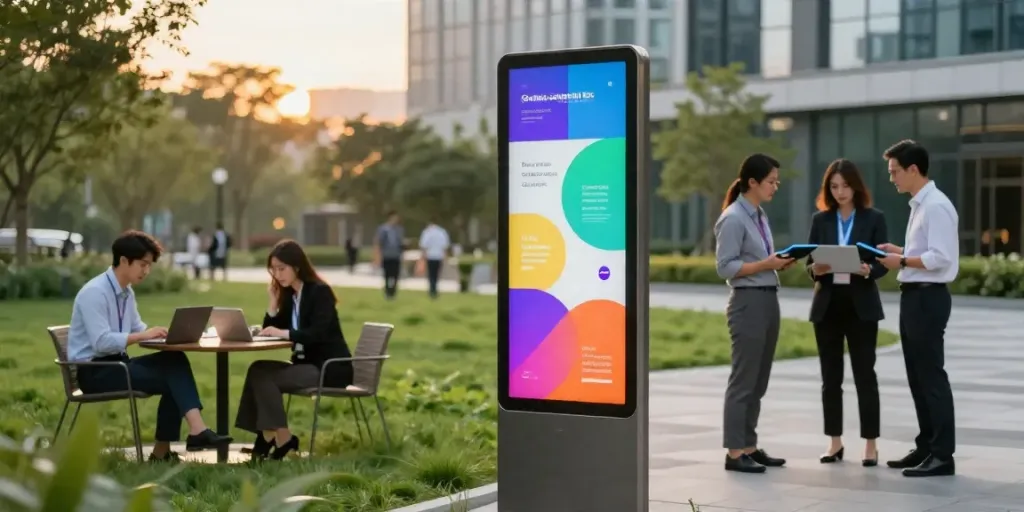
Understanding Totem Signs
Totem signs serve as prominent visual markers that not only enhance the aesthetic appeal of an environment but also deliver crucial information to visitors. These vertical, freestanding structures are increasingly becoming a staple in urban design, business branding, and wayfinding systems. By effectively combining functionality and style, totem signs can significantly improve brand visibility and customer engagement. When exploring options, Totem Signs represent an innovative solution for businesses looking to make a lasting impression in their surroundings.
What are Totem Signs?
Totem signs are essentially large, upright structures that convey information or brand messaging in a visually appealing way. They typically feature a tall, narrow design, and can be made from a variety of materials. These signs can display a range of information, from directional cues to business names and promotional messages. The beauty of totem signs lies in their versatility; they can be customized to fit the unique branding and messaging needs of different businesses and contexts.
Types of Totem Signs
There are several types of totem signs that cater to different environments and requirements:
- Freestanding Signs: These are not attached to any building and are often used in outdoor settings, such as parks, shopping centers, or office complexes.
- Digital Totem Signs: Featuring electronic displays, these signs can showcase dynamic content, including videos, slideshows, or real-time information updates.
- Monument Signs: Resembling traditional monuments, these signs are usually made of stone or metal and convey a strong sense of permanence and authority.
- Wayfinding Totems: Designed to guide people through complex environments, these signs provide directional information, making them essential in busy urban centers or large campuses.
Benefits of Using Totem Signs
The advantages of incorporating totem signs into your space are numerous:
- Enhanced Visibility: Their height and visibility can attract attention from a distance, making them ideal for brand awareness.
- Brand Recognition: Customizable designs allow businesses to showcase their branding elements effectively, reinforcing brand identity among customers.
- Informational Utility: Totem signs can provide essential information, such as hours of operation, event announcements, or wayfinding assistance, improving the overall user experience.
- Modern Aesthetic: Their sleek and contemporary design can enhance the visual appeal of any environment, aligning with modern architectural trends.
Design Considerations for Totem Signs
Choosing the Right Materials
The choice of materials for a totem sign is crucial for both durability and aesthetics. Common materials include:
- Metal: Durable and weather-resistant, metal signs can be finished in various ways to align with branding.
- Wood: Offers a natural look that can blend well in park settings but may require more maintenance.
- Acrylic: Lightweight and versatile, acrylic signs can be illuminated for added impact.
- Stone: Provides a classic and modern appearance, ideal for monument signs.
Effective Layout and Typography
A well-designed totem sign must prioritize clarity and legibility. Key considerations include:
- Font Selection: Choose fonts that are easy to read from a distance; sans-serif fonts are often recommended for their simplicity.
- Information Hierarchy: Organize information in a way that emphasizes the most important messages, using varying sizes and weights of typography.
Color Schemes and Branding Elements
The color scheme of a totem sign should align with the overall branding strategy:
- Brand Colors: Integrating the company's color palette can strengthen brand recognition.
- Contrast: Use high contrast between text and background colors to enhance readability.
Installation and Placement Strategies
Identifying Optimal Locations
Choosing the right location for your totem sign is essential to maximizing its effectiveness. Consider the following factors:
- Visibility: Ensure that the sign is placed where it can be seen easily from a distance.
- Foot Traffic: Analyze pedestrian and vehicle traffic patterns to identify high-visibility locations.
Compliance with Local Regulations
Before installation, it is vital to consult local zoning laws and regulations governing sign placement. This can include:
- Height and size restrictions
- Permitting requirements
- Lighting regulations
Environmental Considerations
Totem signs should be designed to withstand local weather conditions. This includes selecting appropriate materials and finishes to prevent wear and tear from elements like rain, wind, and sunlight. Additionally, consider:
- Landscape Integration: How the sign fits into the surrounding environment can enhance its overall appeal.
- Maintenance: Choose materials that require minimal upkeep for long-lasting performance.
Marketing and Promotion with Totem Signs
Integrating with Digital Platforms
With the rise of digital technology, integrating totem signs with online platforms can enhance marketing efforts. For example, QR codes can be added to signs, allowing passersby quick access to websites or promotional content. This integration promotes:
- Interactive experiences that engage customers.
- Real-time updates for promotions or events.
Creating Engaging User Experiences
Totem signs can also enhance user experiences by:
- Providing key information quickly and effectively.
- Creating visually appealing landmarks that people associate with a brand.
Case Studies: Successful Totem Sign Campaigns
Many businesses have successfully utilized totem signs. For instance, a local shopping center employed a series of strategically placed totem signs that not only directed visitors but also featured promotional ads for special events, resulting in increased foot traffic and sales.
Future Trends in Totem Sign Design
Innovative Technologies and Materials
The future of totem signs is likely to incorporate advanced technology and materials, such as:
- Smart Signage: Incorporating sensors and connectivity for real-time updates and interactive features.
- Sustainable Materials: An increasing focus on eco-friendly materials is expected.
Personalization and Interactivity
As customer engagement becomes a priority, we can expect to see more interactive elements within totem signs. Features such as:
- Touchscreens for information access.
- Augmented reality experiences that immerse users in brand storytelling.
Predictions for 2026 and Beyond
By 2026, totem signs are anticipated to play a crucial role in urban development and branding, characterized by:
- Increased integration with smart city initiatives.
- Greater emphasis on user experience through accessibility and interactive design.
What is the purpose of a totem sign?
The primary purpose of a totem sign is to convey information and enhance brand visibility in a visually appealing way.
How much do totem signs typically cost?
The cost of totem signs can vary widely based on materials, size, and customizations, typically ranging from a few hundred to several thousand dollars.
Where are totem signs commonly used?
Totem signs are commonly used in places like shopping centers, parks, office complexes, and urban environments.
What regulations affect totem sign placement?
Local zoning laws, height restrictions, and permitting requirements affect where and how totem signs can be placed.
How can totem signs enhance brand visibility?
Their height, visibility, and ability to incorporate branding elements make totem signs an effective tool for increasing brand recognition.