
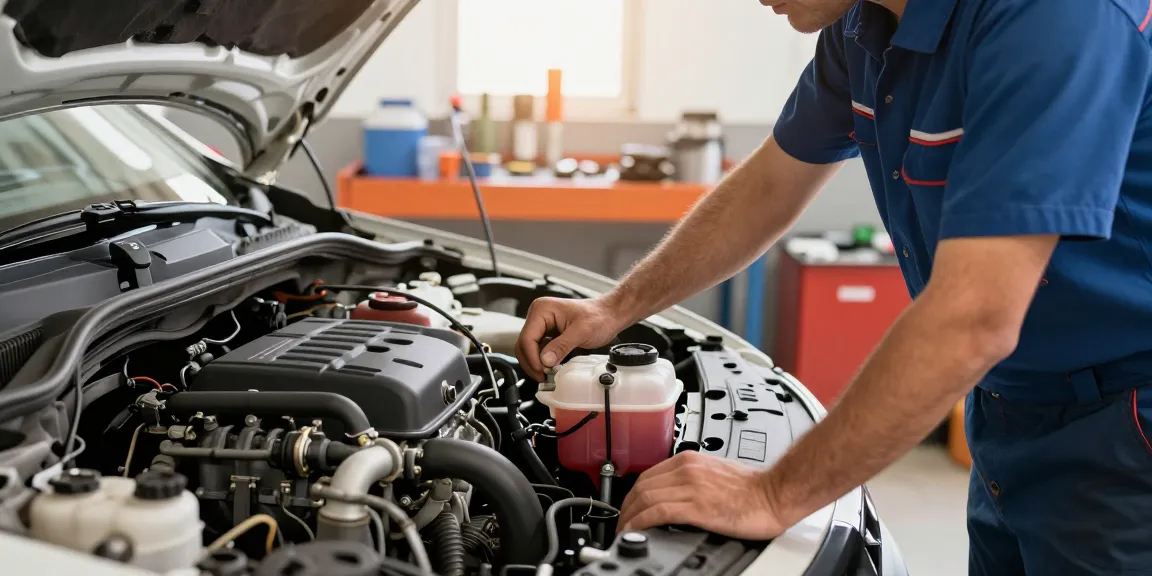

Understanding Low Coolant Symptoms
As a vehicle owner, understanding the importance of coolant and being aware of low coolant symptoms can help you prevent costly repairs. The coolant plays a critical role in regulating your engine temperature, and a drop in coolant levels can lead to serious engine issues, especially during the heat of summer. Many drivers often overlook minor signs, thinking they can wait until the next service check. However, early identification of low coolant symptoms can make a significant difference in maintaining your vehicle’s health and avoiding extensive damages down the road.
Key Indicators of Low Coolant Levels
There are several key indicators you should be on the lookout for to determine if your vehicle’s coolant level is low. The most apparent signs include:
- Engine temperature higher than normal: If your engine temperature gauge indicates a higher reading than usual, this could mean that your engine is overheating due to low coolant.
- Less cold air from the air conditioning: A decrease in the cooling efficiency of your vehicle’s air conditioning can be a sign that the coolant is insufficient to maintain engine temperature, leading to an overall reduction in performance.
- Engine fan running constantly: The engine cooling fan may operate continuously, indicating the engine is overheating and additional cooling is needed.
- Sweetish smell near the hood: A sweet smell similar to hot syrup can indicate a coolant leak, as the coolant, which contains ethylene glycol, can evaporate and create an odor.
- Visible fluid below the vehicle: Any pooling of liquid under your vehicle could signala leak in the cooling system.
Consequences of Ignoring Symptoms
Ignoring low coolant symptoms can have serious consequences for your vehicle. Continuing to drive with low levels can lead to overheating, which can damage various components of your engine, including:
- Worn or cracked pipes: Over time, reduced coolant levels can cause pipes to dry out, crack, and begin to leak, disrupting the cooling system’s efficiency.
- Defective tank cap: A faulty tank cap can lead to pressure loss in the coolant system, causing coolant to evaporate and resulting in a low coolant level.
- Damaged head gasket: One of the most critical issues that may arise is a blown head gasket, which can result in significant engine failure.
Preventive Maintenance Tips
To prevent low coolant issues and ensure your vehicle operates efficiently, consider implementing the following tips:
- Regular coolant checks: Regularly check the coolant levels in your vehicle, especially before long road trips or during the hot summer months.
- Use the right coolant: Always use the manufacturer recommended coolant for your vehicle to ensure compatibility and effectiveness.
- Check for leaks: Regularly inspect the hoses and radiator for any signs of leaks that could deplete coolant levels.
Immediate Actions to Take with Low Coolant
If you discover low coolant levels while preparing to drive or during your travel, immediate action is required to avoid further issues. Start by checking the coolant levels when your engine is cool, as any checks made while the engine is hot can lead to serious burns or injury.
What to Check Before Driving
Before hitting the road, it is crucial to perform some checks:
- Check coolant levels: Open the hood and inspect the coolant reservoir for a clear view of the levels.
- Look for leaks: Examine around the engine and radiator for any signs of leaking fluid.
- Inspect hoses and connections: Make sure that all hoses and connections are secure and there are no visible signs of damage.
Temporary Solutions for Emergency Situations
If you find yourself in an emergency situation with low coolant, consider these temporary measures until you can seek professional assistance:
- Top up with compatible coolant: If possible, top off with the correct coolant that matches your vehicle’s specifications.
- Use plain water as a temporary fix: While not ideal, using water can momentarily help reduce overheating until proper coolant can be added.
- Monitor engine temperature: Keep an eye on the temperature gauge and stop driving immediately if it begins to rise excessively.
When to Contact a Local Mechanic
If low coolant is a recurring issue or if you notice severe symptoms such as a consistently high engine temperature, it’s time to contact a local certified mechanic. Regular inspections, maintenance, and addressing any underlying issues are critical to avoid further damage. Do not hesitate to reach out to professionals who can diagnose leaks or other malfunctions effectively.
Long-term Effects of Low Coolant on Your Vehicle
If low coolant levels are left unchecked, significant long-term consequences can ensue. Understanding these effects is vital for responsible vehicle ownership.
Engine Damage Risks Explained
One of the most severe outcomes of operating with low coolant is the risk of engine damage. Overheating can lead to cracked engine blocks, warped heads, and total engine failure. Repairing or replacing an engine can be a substantial financial burden, often ranging from $1,000 to $3,000 or more, depending on the extent of the damage.
Understanding Cooling System Dynamics
The cooling system operates by circulating coolant through the engine and radiator to absorb heat and prevent overheating. A low coolant level disrupts this circulation, leading to inefficient cooling and putting additional strain on parts like the water pump and thermostat.
Cost Estimates for Repairs from Overheating
Addressing the repercussions of low coolant can lead to varying costs. For minor issues, coolant replacement might only set you back $20 to $150. However, if severe damage has occurred due to neglect, repair costs can soar to $1,000 or even $3,000 for engine replacements or head gasket repairs. Investing in timely radiator and coolant maintenance can save you significantly in the long run.
Finding a Trusted Local Mechanic
When faced with a coolant issue, finding a reliable mechanic is crucial. Here’s how to ensure you choose the right service provider:
How to Choose a Reliable Service Provider
Selecting the right mechanic involves researching their credentials and experience. Look for licensed and insured professionals with a good reputation in your community.
Reading Customer Reviews and Testimonials
Customer feedback is invaluable when selecting a mechanic. Look for reviews on platforms such as Google or Yelp to gauge the experiences of previous clients. This insight can guide you to trusted service providers who prioritize customer satisfaction.
Importance of Licensing and Certification
Certified mechanics have undergone extensive training and are knowledgeable about various vehicle systems. Always verify that your chosen mechanic holds the proper licenses and certifications to provide the best possible service.
FAQs about Low Coolant Symptoms and Solutions
Can I drive with low coolant levels?
Driving with low coolant is generally not advisable. If the temperature begins to rise, you should pull over immediately. A few miles may be manageable in an emergency, but continuing to drive can cause permanent damage.
What is the average cost of coolant replacement?
Replacing coolant typically costs between $20 to $150, depending on the make and model of your vehicle and other factors such as location.
How often should I check my coolant levels?
It’s advisable to check coolant levels at least once a month or before long trips. If you’re in a warmer climate or frequently drive in heavy traffic, checking more regularly could prevent issues.
Conclusion
Understanding low coolant symptoms and taking proactive measures can save you from costly repairs and significant vehicle damage. By being observant and maintaining your vehicle, you can enjoy safer, more reliable driving. Should you face issues, promptly reach out to a trusted local mechanic to ensure your vehicle remains in top condition.