
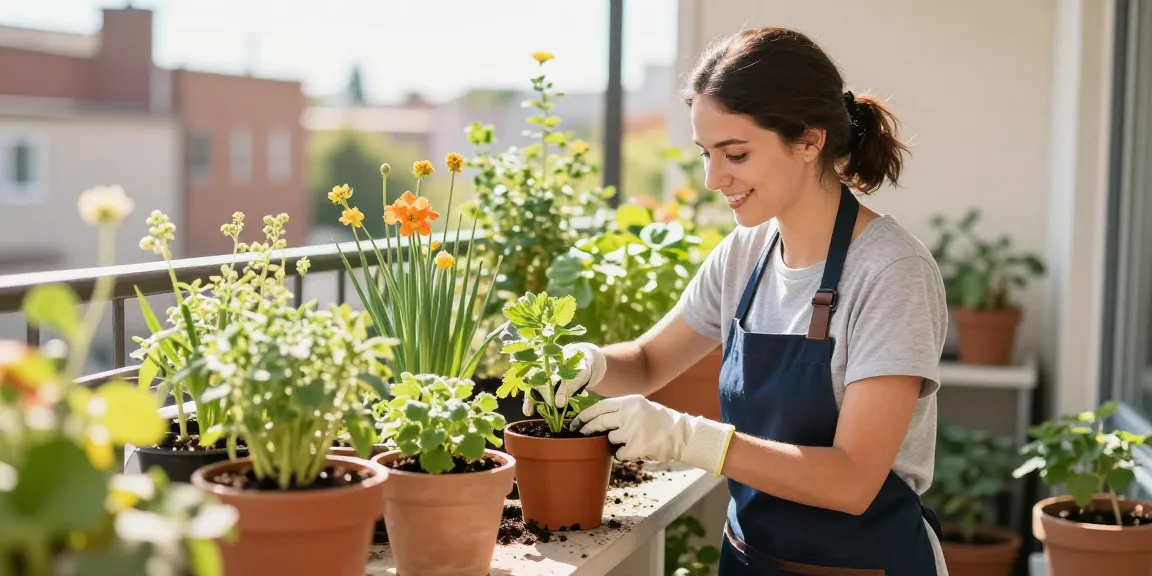

Understanding Balcony Gardens: A Beginner’s Overview
Creating a balcony garden can be an undeniably rewarding experience, enabling urban dwellers to cultivate their green thumb even within limited spaces. Whether you find yourself living in an apartment or a home with minimal outdoor area, transforming your balcony into a thriving oasis of fresh herbs and vibrant vegetables is completely attainable. When exploring options, balcony garden guides provide comprehensive insights into making the most of your space.
What is a Balcony Garden?
A balcony garden encompasses a designated area on your balcony where plants are grown using pots and containers. Unlike traditional gardens that rely on soil in the ground, balcony gardens leverage vertical space and tailored care techniques to optimize limited areas for maximum bloom and harvest. People often transform these small spaces into patches of tranquility and productivity, where they can enjoy the fruits (and vegetables) of their labor right outside their window.
Is Your Balcony Suitable for Gardening?
Before diving headfirst into your gardening project, it’s vital to assess whether your balcony is equipped for planting. Key factors to consider include sunlight exposure, wind conditions, and load-bearing capacity. Ideally, your balcony should receive 5-6 hours of direct sunlight daily. South or southeast-facing balconies are particularly favorable, while those facing north often struggle with limited light. Furthermore, don’t forget to evaluate the structure’s weight limit, especially if you are considering large planters with substantial soil weight.
Key Elements of Successful Balcony Gardens
Establishing a successful balcony garden is grounded in understanding a few essential elements: light, soil, water, and plant selection. Each of these components plays a fundamental role in ensuring your plants thrive amidst the urban environment. Whether you’re a seasoned gardener or a complete novice, a solid grasp of these aspects will set you up for a flourishing gardening experience.
Choosing the Right Plants for Your Balcony Garden
Top Plants for Small Spaces
Selecting the right plants is crucial to the success of your balcony garden, especially in small spaces where options may feel limited. Ideal candidates include herbs like basil, cilantro, and parsley, as well as compact vegetable varieties like cherry tomatoes, bell peppers, and salad greens. Each of these plants is relatively easy to grow and can deliver substantial yields even in modest conditions.
Herbs vs. Vegetables: What’s Right for You?
When choosing your plants, it’s essential to recognize whether you want to grow culinary herbs or traditional vegetables. Herbs are excellent for beginners as they’re often more forgiving and require less time to cultivate. Conversely, vegetables can offer a rewarding harvest but might require more maintenance and attention. Juvenile gardeners may want to start with herbs, then gradually introduce vegetables once they gain more confidence in their gardening abilities.
Plant Combinations That Thrive Together
Companion planting can play a crucial role in your balcony garden’s layout. Some plants benefit from being grown together, while others can compete for resources and hinder each other’s growth. For example, pairing basil with tomatoes can lead to enhanced flavor and vigor. However, avoid crowding plants; they each need their space to grow strong. Take time to research effective combinations and arrangements to maximize your production!
Essential Tools and Supplies for Balcony Gardening
Best Pots and Soil Types for Urban Gardens
Choosing the right pots is vital for your plants’ success. Ensure that containers have proper drainage holes to prevent waterlogging, which can lead to root rot. Opt for materials like terracotta for breathability, or durable plastic pots for lightweight options. Regarding soil, a high-quality potting mix enriched with compost and organic materials promotes nutrient retention and healthy root growth, vital for flourishing balcony gardens.
Watering Systems for Ease and Efficiency
Efficient watering systems simplify maintenance for busy gardeners. Consider investing in self-watering pots or a drip irrigation system that helps maintain consistent moisture levels. Regularly monitoring your plants’ water needs will yield better results than occasional deep watering sessions, which can lead to stress during drought periods.
Organic Fertilizers: Unlocking Plant Growth
Organic fertilizers are essential for achieving lush growth in your balcony garden. Begin with a balanced fertilizer to provide key nutrients, adjusting the types and quantities based on your plants’ specific needs. Incorporating organic matter, like compost or worm castings, can significantly enhance soil fertility, promoting growth and better yields.
Avoiding Common Mistakes in Balcony Gardening
Top 5 Mistakes Beginners Make
Every gardener makes mistakes, but some are more common than others. Here are five pitfalls to watch for:
- Over or under-watering: Finding the right balance is key. Always check the soil moisture before watering.
- Choosing the wrong plants: Select plants suited to your light conditions and experience level.
- Poor soil choice: Invest in good-quality potting mix specific to the plants you intend to grow.
- Ignoring plant spacing: Proper spacing prevents overcrowding and promotes healthy growth.
- Neglecting to fertilize: Regular feeding is essential for maintaining healthy plants.
How to Troubleshoot Plant Problems
Detecting and addressing issues early is crucial for successful gardening. Pay close attention to your plants for signs of distress, such as wilting, yellowing leaves, or stunted growth. Investigate potential causes like pests, poor nutrition, or inadequate light, and adjust your care regimen accordingly. Building your troubleshooting skills can elevate your gardening efforts, making for a healthier balcony ecosystem.
Tips for Year-Round Balcony Gardening
For those wishing to grow year-round, consider the use of vertical gardening techniques or portable mini-greenhouses. This setup facilitates growth during colder months. Furthermore, adapting your planting schedule to take advantage of each season can keep your balcony productive, ensuring that your green space continues to flourish regardless of external weather conditions.
Engaging Local Gardening Communities for Better Results
Local Workshops and Gardening Groups
Participating in local gardening groups or workshops offers invaluable support and insights for budding gardeners. Not only will you gain knowledge from experienced gardeners, but you’ll also build connections and friendships. Check community boards, local libraries, or online forums for information on gardening events in your area.
Sharing Your Balcony Garden Success
Sharing your achievements and challenges can inspire others and create a supportive community. Social media platforms, local gardening clubs, or community events provide excellent venues for showcasing your balcony gardening successes. Engaging with others allows you to exchange tips, tricks, and resources that can enhance your gardening capabilities.
Finding Expert Help and Resources Nearby
Don’t hesitate to seek help from local gardening professionals or nurseries. Many offer consultations, tailored advice, and supplies to assist you in optimizing your balcony garden. Building relationships with these local experts can also provide you with insights on community-focused gardening initiatives.
FAQs
What are the best balcony garden plants?
Some of the best plants for balcony gardens include herbs like basil and parsley, as well as vegetables such as cherry tomatoes, peppers, and salad greens. Choose based on your available sunlight and space.
How much sunlight do balcony gardens need?
Most vegetables and herbs require a minimum of 5-6 hours of direct sunlight daily to thrive. If possible, observe different areas of your balcony throughout the day to better gauge sunlight exposure and adjust accordingly.
Can I grow vegetables in a small balcony garden?
Absolutely! Small balconies can produce a variety of vegetables using vertical gardening techniques and compact planters. Look for dwarf or compact varieties that maximize your limited space while ensuring high yields.