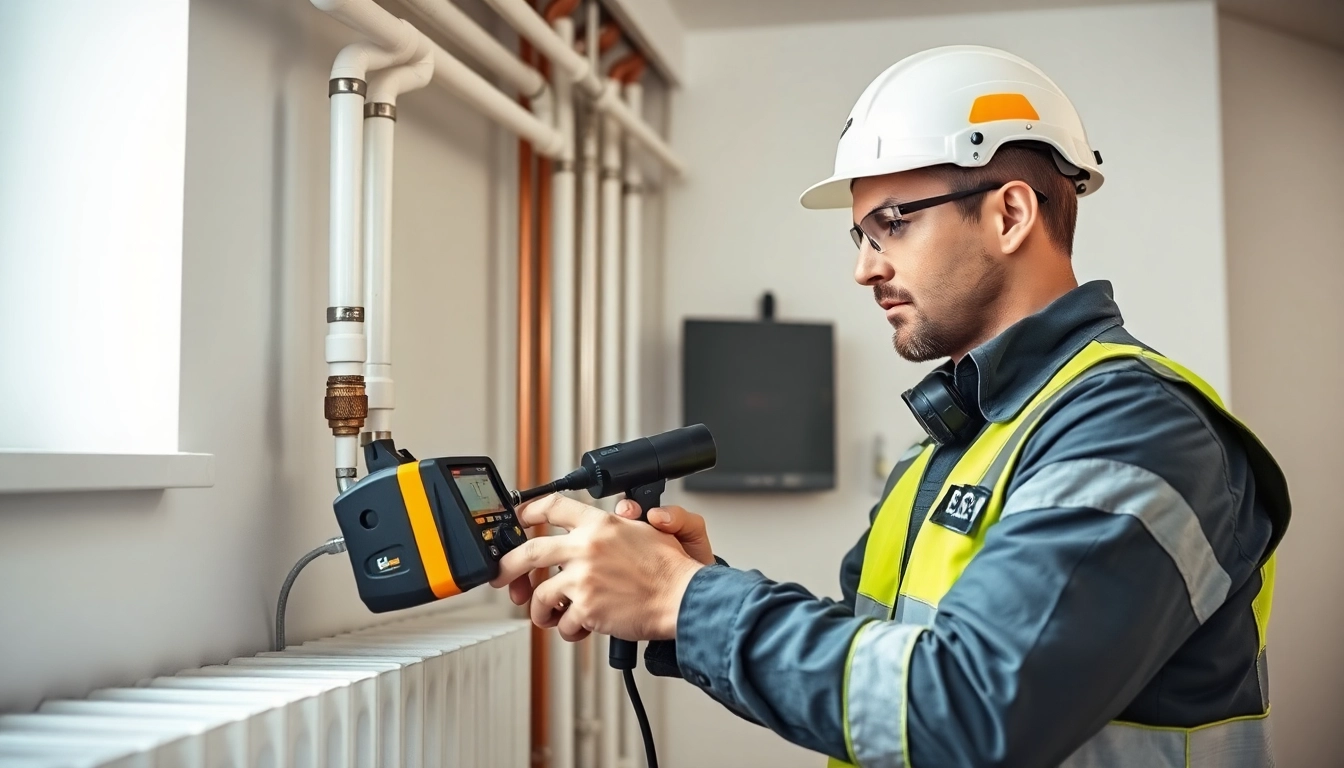
Understanding the Power Flush Process
A power flush is a crucial maintenance procedure for central heating systems, designed to enhance efficiency and longevity. This process involves circulating high-velocity water mixed with cleaning agents through the heating system. It's particularly beneficial for removing debris, sludge, and corrosion that accumulate over time, ensuring that your heating system operates at peak efficiency. When considering options for maintaining your system, power flush services offer comprehensive insights into the best practices and techniques involved.
What is a Power Flush and Its Benefits?
A power flush is a deep cleaning service for your heating system, which uses a specialized machine to pump water at high speed through the entire system. This technique dislodges built-up sludge and debris that can hinder performance. The benefits of a power flush include:
- Enhanced Efficiency: By removing blockages, the system can heat water more effectively, reducing energy consumption.
- Improved Heat Distribution: A clean system ensures that all radiators heat evenly, leading to a more comfortable home.
- Extended System Life: Regular maintenance, including power flushing, can prevent costly repairs down the line.
- Reduced Noise: Eliminating sludge buildup can also reduce the noise levels from your heating system.
How Power Flush Improves Heating Efficiency
The central heating system operates by circulating hot water from the boiler to the radiators. Over time, sludge, rust, and other debris can accumulate in the pipes and radiators, significantly reducing the system’s efficiency. A power flush works by:
- Breaking Down Blockages: The high-velocity water breaks up sludge and clears the pipes.
- Removing Contaminants: Cleaning agents in the water help dissolve rust and corrosion.
- Restoring Flow: By clearing blockages, water flows freely, improving heat transfer and reducing boiler strain.
Signs Your System Needs a Power Flush
Recognizing when your heating system requires a power flush is essential for maintaining efficiency. Common signs include:
- Cold spots on radiators
- Unusual noises from the boiler (gurgling or banging)
- Rising heating bills without an increase in usage
- Repeated breakdowns of your heating system
Preparing for a Power Flush Service
Before scheduling a power flush, it's important to assess your heating system's condition and ensure you choose the right professional for the job.
Assessing Your Heating System's Condition
Begin by checking the radiators for cold spots, and look for any signs of leaks or corrosion in your heating system. It's beneficial to have a clear picture of your system's performance and any existing issues before a professional evaluation.
Choosing the Right Professional for the Job
Selecting a qualified technician is crucial to ensuring a successful power flush. Look for:
- Certification: Ensure they have the relevant qualifications.
- Experience: A professional with a proven track record in power flushing will be more effective.
- Recommendations: Check online reviews or ask for recommendations from friends or family.
What to Expect During the Service
During a power flush service, you can expect the following steps:
- Assessment of the system before starting the flush.
- Attachment of the power flushing machine to the heating circuit.
- Circulation of water at high velocity with cleaning agents to remove debris.
- Flushing out of the dirty water and debris to a drain.
- Refilling the system with clean water and adding an inhibitor to prevent future corrosion.
Step-by-Step Guide to Conducting a Power Flush
If you're considering performing a power flush yourself, it’s essential to follow a detailed guide to avoid common pitfalls.
Essential Tools and Equipment Required
To carry out a power flush, you'll need:
- A power flushing machine
- Cleaning agents designed for heating systems
- Hoses and adaptors for connecting to your heating system
- Personal protective equipment (gloves and goggles)
Detailed Steps to Perform a Power Flush
The following steps outline how to perform a power flush:
- Turn off the heating system and ensure it's cool.
- Connect the power flushing machine to the heating system.
- Open the valves on the radiators to allow for the flow of water.
- Start the machine and add the cleaning agent.
- Monitor the flushing process, keeping an eye on the water quality.
- Once clean water runs from the system, disconnect the machine and refill the system with fresh water.
- Add an inhibitor to protect the system against future deposits.
Common Mistakes to Avoid During the Process
Avoid the following mistakes to ensure a successful power flush:
- Not thoroughly assessing the heating system prior to flushing.
- Using the wrong cleaning agents that could damage your system.
- Failing to monitor water quality and flow during the process.
Post-Power Flush Care and Maintenance
After flushing your heating system, proper care is vital for maintaining efficiency and preventing future issues.
How to Monitor System Performance After a Flush
Keep an eye on your heating system’s performance over the following weeks, noticing any changes in temperature and efficiency. If you observe cold spots or unusual sounds, it may indicate the need for further maintenance.
Routine Maintenance Tips for Optimal Results
Following a power flush, implement these maintenance tips:
- Regularly bleed your radiators to remove trapped air.
- Check the pressure gauge on your boiler and top-up if necessary.
- Schedule annual maintenance checks with a qualified technician.
Recognizing Potential Issues Early On
Stay alert for any signs of inefficiency, such as fluctuating temperatures or unusual noises, which could signify underlying problems that require attention.
Future Trends in Heating System Maintenance
As technology advances, the future of heating system maintenance becomes increasingly sophisticated.
Innovative Technologies Transforming Power Flushing
New technologies, such as automated systems for monitoring and maintaining heating efficiency, are emerging. These innovations help to streamline maintenance processes and improve the effectiveness of power flushing services.
Eco-Friendly Practices in Heating Maintenance by 2025
Expect to see a significant shift toward eco-friendly practices in heating system maintenance. This includes the use of biodegradable cleaning agents and techniques that minimize environmental impact.
Expert Predictions on Heating System Longevity
Industry experts predict that with regular maintenance, including power flushing, the longevity of heating systems will improve significantly. Homeowners who invest in preventative care can expect extended lifespans for their systems, leading to both cost savings and enhanced comfort.