Introduction to Victorian Tiled Paths
Victorian tiled paths represent a stunning blend of functionality and aesthetic appeal, offering a unique charm that enhances the beauty of any home. These paths, which were popularized during the Victorian era, are characterized by their intricate patterns, bold colors, and high durability. As more homeowners seek to infuse historical elegance into their outdoor spaces, understanding the essence of Victorian tiled paths becomes essential. In this article, we will delve into their historical significance, design considerations, installation processes, and maintenance tips to ensure that these captivating pathways remain a focal point of exterior design.
What Are Victorian Tiled Paths?
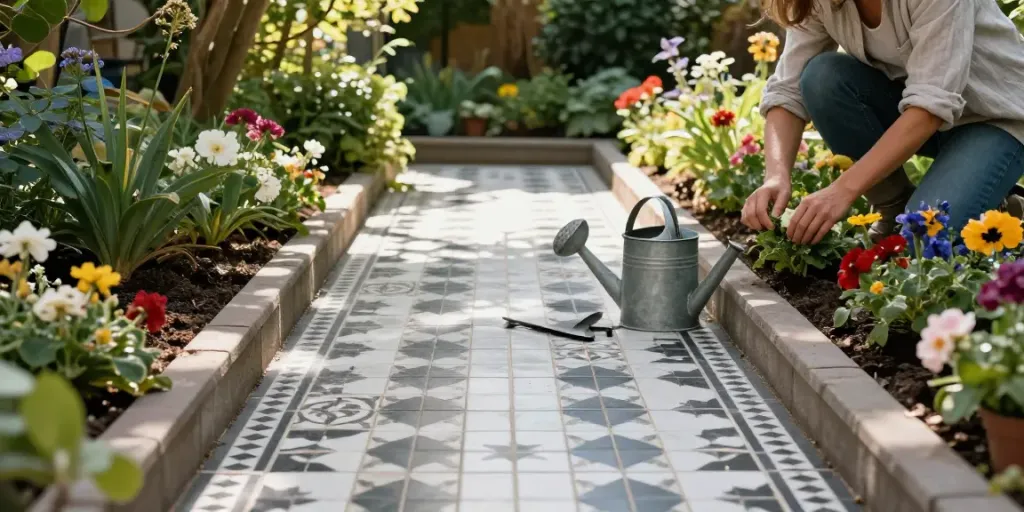
Victorian tiled paths are outdoor walkways constructed using decorative ceramic tiles that are often characterized by geometric patterns and vivid colors. These tiles can be set in intricate designs, featuring contrasting colors such as black and white or other combinations that suit the aesthetic of the surrounding architecture. The tiles are not just decorative; they are crafted to be durable, making them suitable for foot traffic and various weather conditions.
Historical Significance of Victorian Tiled Paths
The Victorian era, spanning from 1837 to 1901, marked a time of great change in England. It was during this period that urbanization surged, and with it came a shift in architectural styles and public spaces. Victorian tiled paths emerged as a response to the growing demand for decorative yet practical outdoor spaces. These paths not only provided accessibility to homes but also showcased the artistic flair of the era. They became a standard feature in Victorian homes, often leading from the street to the main entrance, thereby enhancing the overall architectural appeal.
Materials Used in Victorian Tiled Paths
Typical materials used in Victorian tiled paths include clay tiles and encaustic tiles, which are known for their durability and ability to withstand the elements. Encaustic tiles, in particular, are made from colored clays, shaped and fired to produce intricate patterns that remain vibrant over time. The combination of these materials ensures that a Victorian tiled path is not only visually striking but also resilient, making it an investment that can last for years.
Design Considerations for Victorian Tiled Paths
When designing a Victorian tiled path, several factors come into play that can influence the aesthetic and functionality of the pathway.
Choosing the Right Tile Patterns
One of the most exciting aspects of Victorian tiled paths is the array of patterns available. Common choices include intricate geometric shapes, floral motifs, and classic checkerboard patterns. When selecting a pattern, it’s essential to consider the overall theme of your home and garden. For instance, a more traditional home might benefit from a classic floral design, while a modern home could opt for abstract geometric styles.
Color Combinations for Aesthetic Appeal
Color plays a pivotal role in the effectiveness of a Victorian tiled path. Traditional color combinations often feature black and white tiles, but modern interpretations may include richer hues like deep reds, greens, or blues. It’s crucial to ensure that color choices complement the home’s facade and surrounding landscape, enhancing the overall aesthetic without overwhelming it.
Functional Aspects of Pathway Design
While aesthetics are important, the functionality of the path must not be overlooked. Factors such as layout, width, and drainage should all be considered. A well-designed path should be at least three feet wide to accommodate foot traffic, and incorporating angles or curves can add visual interest while improving ease of access.
Installation Process: Laying Victorian Tiled Paths
Installing a Victorian tiled path requires careful planning and execution to ensure a durable, long-lasting pathway.
Tools and Materials Needed for Installation
Before starting, gather essential tools which include a trowel, spirit level, rubber mallet, and edging materials. In addition, you’ll need a base of mortar or sand, depending on the installation method chosen, along with your selected tiles.
Step-by-Step Installation Guide
- Prepare the Area: Clear the intended path of grass, soil, and any debris. Ensure the soil is compacted and level.
- Create a Base: Lay a foundation of sand or mortar about 2 inches thick to provide support for your tiles.
- Lay the Tiles: Begin laying tiles from one end of the path, pressing them into the base and ensuring they are level. Use spacers between tiles to maintain uniform gaps.
- Cut Tiles as Needed: Use a tile cutter to shape tiles at the edges for a clean fit.
- Finish with Grout: Once all tiles are laid, fill the gaps with grout to secure them in place and prevent weed growth.
Common Mistakes to Avoid
One of the most frequent errors in tile installation is inadequate preparation of the base. Failing to compact the ground properly can lead to settling and shifting over time. Additionally, not allowing for proper drainage can result in water pooling, which can damage both the tiles and the underlying materials.
Maintenance Tips for Victorian Tiled Paths
To preserve the beauty and functionality of your Victorian tiled path, regular maintenance is essential.
Cleaning Techniques for Longevity
Routine cleaning with a broom or leaf blower can prevent debris buildup. For deeper cleaning, a mixture of mild detergent and water can be used, along with a soft-bristle brush to scrub the tiles without scratching them.
Seasonal Maintenance Best Practices
In autumn, ensure leaves are cleared to prevent slippery surfaces and potential staining. Winter maintenance may involve clearing snow and ice without using harsh chemicals that could damage the tiles. Instead, consider using sand for traction.
Restoration Techniques for Damaged Tiles
If tiles become cracked or chipped, they can often be replaced individually. It’s advisable to keep a few spare tiles on hand for such repairs. For minor surface damage, professional restoration services can help to refinish and restore the tiles to their original beauty.
Future Trends in Victorian Tiled Pathways
The future of Victorian tiled paths is shaping up to be an exciting blend of tradition and innovation, as more homeowners look to integrate modern design elements with classic architecture.
Innovative Tile Designs for Modern Homes
As craftsmanship evolves, new designs and materials are emerging that offer modern interpretations of Victorian tiled paths. Look for tiles that incorporate contemporary colors and patterns that align with today’s design sensibilities.
Eco-Friendly Materials and Sustainability
Sustainability is becoming increasingly important in home design. Many manufacturers are now producing eco-friendly tiles made from recycled materials or sustainably sourced products, offering an environmentally responsible choice.
Predictions for 2026 and Beyond
By 2026, we may see even greater integration of technology within outdoor spaces. Smart materials that change color or texture in response to weather conditions might be available, enhancing both safety and aesthetic appeal.
What Unique Features Should You Consider?
Consider integrating unique features such as integrated lighting or heating elements within the pathway design. This can enhance safety and usability during darker months, while also elevating the overall visual appeal of the path.
How to Incorporate Technology in Pathway Design?
Incorporating technology might include the use of smart lighting systems that illuminate paths automatically at night or sensors that detect foot traffic to alter lighting. Such features not only enhance safety but also provide a modern touch to traditional designs.