
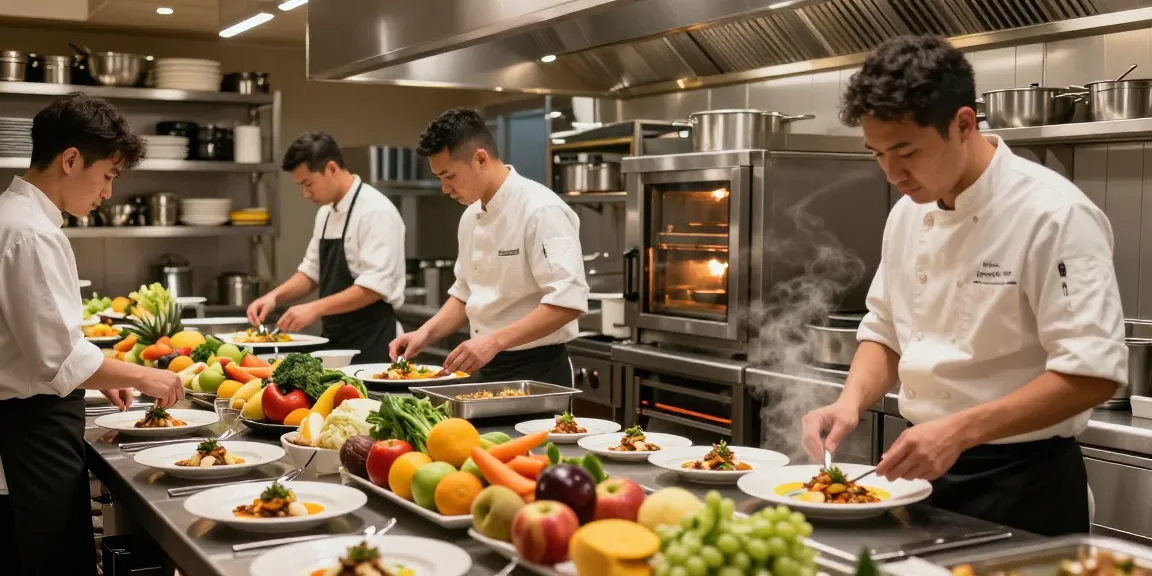

Understanding the Importance of Catering Equipment
In the fast-paced world of food service, the right catering equipment can mean the difference between success and failure. Catering equipment isn’t just a series of appliances; it encompasses everything from ovens and fryers to utensils and refrigeration units. These tools are essential for any business to maintain efficiency, meet customer expectations, and uphold food safety standards. This article delves into the significance of quality catering equipment in professional kitchens, providing insights into selection, challenges, and best practices.
What is Catering Equipment and Why It Matters?
Catering equipment refers to the tools and appliances used in commercial kitchens to prepare, cook, serve, and store food. High-quality equipment is vital for several reasons:
- Efficiency: Well-chosen equipment can significantly speed up food preparation and service times, allowing restaurants to serve more customers during peak hours.
- Consistency: Quality equipment ensures that food is prepared uniformly, maintaining taste and presentation across different shifts.
- Safety: Professional-grade equipment often comes with safety features that protect staff and customers, reducing the risk of accidents.
Common Types of Catering Equipment Used in Professional Kitchens
Different types of catering equipment serve unique purposes in a kitchen environment:
- Cooking Equipment: Includes ovens, grills, fryers, and ranges designed for high-volume cooking.
- Refrigeration: Essential for food storage, ensuring perishables remain fresh.
- Utensils and Tools: From knives to cooking utensils, these tools aid in the efficient preparation of meals.
- Dishwashing Equipment: Industrial dishwashers help maintain hygiene standards while saving time and labor costs.
Your Guide to Selecting the Right Equipment for Your Business Needs
When selecting catering equipment, consider the following factors:
- Business Type: Identify the specific needs of your establishment, whether it’s a bakery, full-service restaurant, or catering company.
- Size and Capacity: Ensure the equipment is suitable for your kitchen size and can handle your expected customer volume.
- Energy Efficiency: Opt for energy-efficient models to reduce operational costs and environmental impact.
Challenges in Sourcing Quality Catering Equipment
Sourcing quality catering equipment is not without its challenges. Potential problems include finding reputable suppliers, managing budgets, and keeping up with industry trends.
Identifying Genuine Suppliers in a Competitive Market
The market for catering equipment is crowded, making it challenging to identify genuine suppliers. Here are some tips:
- Research supplier reputation through online reviews and industry forums.
- Ask for recommendations from industry peers who have experience with reliable suppliers.
- Check for certifications and compliance with industry standards.
Cost vs. Quality: Balancing Budget Constraints with Equipment Needs
While it’s tempting to opt for cheaper equipment, doing so can lead to increased long-term costs due to repairs and replacements. It’s crucial to find a balance between budget constraints and quality needs, ensuring that your investment leads to greater efficiency and durability.
Trends to Watch for in Catering Equipment Innovations
The catering equipment industry continually evolves, with innovations that improve efficiency and sustainability. Key trends include:
- Smart Equipment: Technology that allows for remote monitoring and control of equipment enhances efficiency.
- Sustainable Practices: Eco-friendly catering solutions are increasingly important, with a focus on reducing waste and energy consumption.
- Modular Designs: Catering equipment that can be easily reconfigured for different needs is becoming popular.
Best Practices for Using Catering Equipment Efficiently
Once you have sourced quality catering equipment, implementing best practices is essential for maintaining its functionality and longevity.
Essential Maintenance Tips for Longevity of Equipment
Regular maintenance should be a top priority. Here are essential tips to ensure your equipment lasts:
- Perform routine inspections to identify any wear and tear early on.
- Clean equipment regularly to prevent buildup that can lead to malfunction.
- Follow manufacturer guidelines for maintenance and repairs.
Training Staff to Maximize Equipment Potential
Proper training for staff is vital to maximize the potential of catering equipment. Comprehensive training sessions should cover:
- Best practices for using each piece of equipment.
- Safety protocols to follow during operation.
- How to perform basic troubleshooting to reduce downtime.
Optimizing Kitchen Layout for Better Equipment Utilization
The layout of your kitchen can significantly impact how efficiently equipment is used. Consider the following:
- Ensure there is sufficient space between equipment for safe movement.
- Design workflows that minimize unnecessary movement between cooking, prep, and storage areas.
- Invest in space-saving equipment that fits well in your layout.
Case Studies: Successful Catering Operations
Real-world examples can provide insight into how catering equipment can drive success in the food service industry.
How Leading Restaurants Leverage Catering Equipment for Growth
Many top restaurants invest in high-quality catering equipment to streamline operations and enhance customer experience. For example, a Michelin-starred restaurant may use a combination of high-speed ovens and precision refrigerators to ensure that every dish meets exacting standards of quality.
Real-World Applications of Innovative Catering Solutions
Innovative solutions, such as smart cooking appliances, are being adopted by leading establishments. One notable case is a restaurant that implemented a cooking system with integrated sensors that adjust cooking times and temperatures based on real-time food conditions, significantly improving consistency and reducing waste.
Lessons Learned from Catering Equipment Failures
Learning from past failures can help avoid costly mistakes. Key lessons include:
- Always choose equipment from reputable brands known for reliability.
- Invest in training staff for high-tech equipment to avoid misuse.
- Regular maintenance is critical to prevent sudden breakdowns.
Future-Proofing Your Catering Equipment Strategy
As technology and consumer preferences evolve, it’s essential to future-proof your catering equipment strategy.
Adapting to Technological Advances in Catering Equipment
Stay abreast of technological advances that can enhance efficiency and quality. Investing in equipment with the latest technology will not only improve operations but also give you a competitive edge.
Forecasting Industry Trends in Catering Equipment for 2026
Looking ahead to 2026, expect trends such as a greater emphasis on sustainability and smart kitchen technology to shape the catering equipment landscape. Operators should prepare for these changes to stay relevant.
Strategies for Sustainable and Eco-Friendly Catering Solutions
Sustainability is increasingly a priority for consumers and operators alike. Strategies to consider include:
- Investing in energy-efficient equipment.
- Reducing food waste through better planning and storage solutions.
- Using biodegradable or compostable packaging for takeout orders.
What are the Top Safety Considerations for Catering Equipment?
Safety should always be a priority in kitchen operations. Key considerations include:
- Ensuring equipment is installed correctly according to safety regulations.
- Regularly conducting safety training and drills for kitchen staff.
- Utilizing equipment that has built-in safety features, such as automatic shut-off mechanisms.
How Can You Improve Efficiency with Smart Catering Equipment?
Smart catering equipment can help improve efficiency by automating processes, providing data analytics, and remote monitoring capabilities. Operators should assess their needs and explore options that integrate seamlessly with existing workflows.
What are the Benefits of Leasing Catering Equipment?
Leasing can be a cost-effective way to acquire high-quality catering equipment without the hefty upfront investment. Benefits of leasing include:
- Lower initial costs, allowing for more flexible cash flow.
- The ability to upgrade equipment regularly to keep up with trends.
- Maintenance and support often included in lease agreements.
How Do You Know When to Upgrade Your Catering Equipment?
Determining when to upgrade your equipment can be challenging. Key signs include:
- Frequent breakdowns or repairs that disrupt operations.
- Increased energy costs due to outdated equipment.
- Changes in menu offerings that require different preparation methods.