









1. Understanding Sports Broadcasting
1.1 Definition and Importance
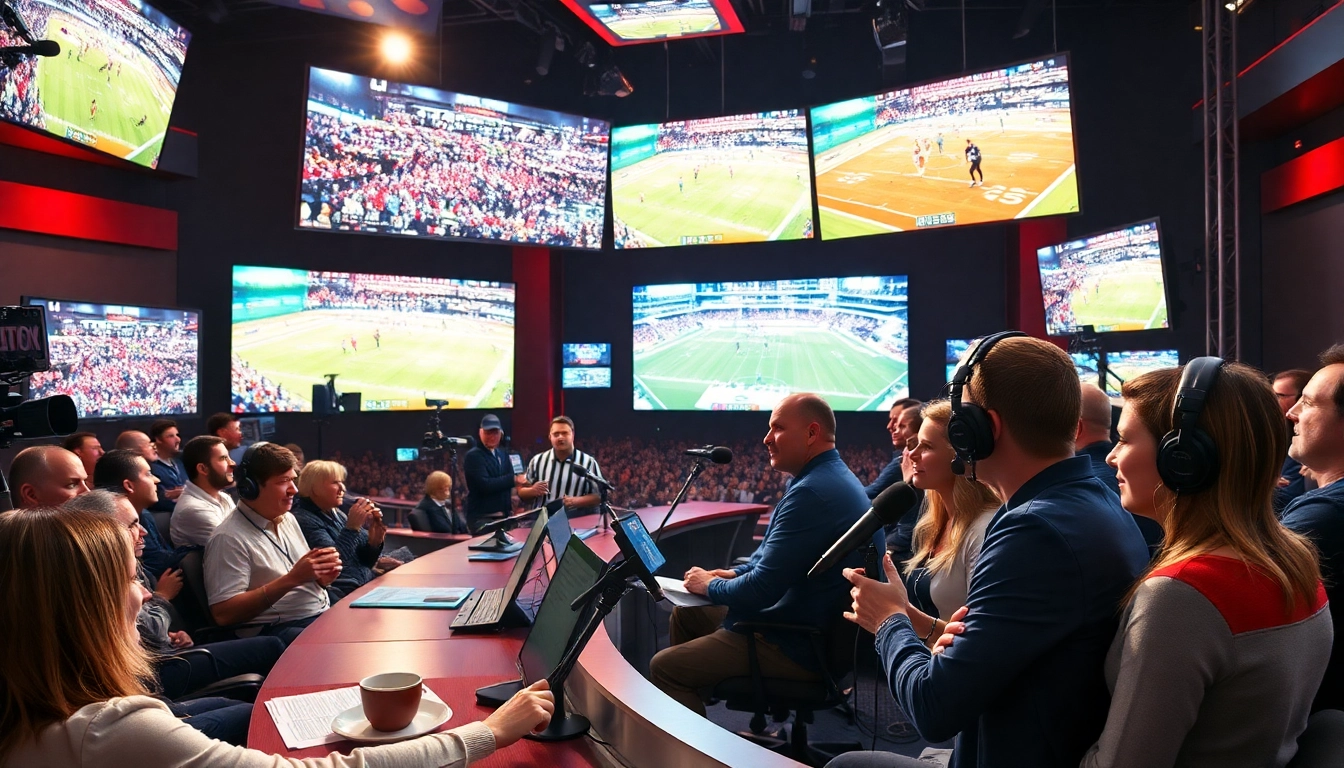
Sports broadcasting encompasses the dissemination of sports-related content through various media channels, including television, radio, and digital platforms. It serves a vital role in delivering live events, news, analysis, and discussions to audiences worldwide. The significance of sports broadcasting extends beyond mere entertainment; it fosters community engagement, enhances viewer experience, and contributes to the financial ecosystem of sports organizations. Well-executed sports broadcasts can increase fan loyalty, attract sponsorships, and drive merchandise sales, making it a cornerstone of the sports industry. Sports Broadcasting has risen in complexity, intertwining with societal trends and technological advancements while adapting to the changing preferences of audiences.
1.2 History of Sports Broadcasting
The journey of sports broadcasting began in the early 20th century when radio broadcasts first aired, allowing enthusiasts to tune into live sports events from the comfort of their homes. The first-ever sports broadcast was a boxing match in 1921, marking the inception of a new era in sports entertainment. Television expanded upon this foundation, making sports more accessible to the masses starting in the 1930s and dramatically changing the way fans consumed their favorite sports. Major sporting events like the Super Bowl and the FIFA World Cup soon became global spectacles, drawing enormous television audiences. As the internet emerged, traditional broadcasting faced new challenges and opportunities, leading to the explosion of live streaming services that allowed fans to engage with sports content like never before.
1.3 Key Stakeholders in the Industry
The sports broadcasting landscape is populated by a diverse array of stakeholders, each playing a unique role. Broadcasters and streaming platforms are at the forefront, tasked with delivering content to viewers. Sports leagues and organizations collaborate with broadcasters to negotiate rights deals that are crucial for revenue. Advertisers play a dominant role by funding broadcasts, capitalizing on unique engagement opportunities presented by the passionate sports audience. Additionally, viewers and fans are pivotal stakeholders, driving demand for high-quality content and interactive experiences. Technology providers also form an essential part of this ecosystem, delivering innovative tools and platforms that enhance broadcast quality and viewer engagement.
2. Types of Sports Broadcasting
2.1 Traditional TV Broadcasting
Traditional television broadcasting remains a powerhouse in the sports industry. Major networks invest heavily in rights to broadcast high-profile events, creating lucrative deals with leagues. Viewers’ experience is primarily passive, with scheduled programming and fixed broadcast times. The appeal lies in the overall production quality, including expert commentary, pre- and post-game analysis, and comprehensive coverage of events. However, with the rise of digital options, traditional broadcasting faces challenges in audience retention, leading to innovations in integrating interactive features that align with modern viewers’ expectations.
2.2 Online Streaming Platforms
Online streaming has transformed the accessibility and nature of sports broadcasting. Platforms like Netflix and Amazon Prime have entered the arena, while specialized services like ESPN+ provide dedicated sports content. Streamers benefit from flexibility, delivering content on-demand and often incorporating advanced features such as multiple camera angles and real-time stats. This approach caters to changing viewer habits, particularly among younger demographics who prefer on-the-go viewing. However, streaming requires robust technology infrastructure and an understanding of user engagement to maintain competitive advantage.
2.3 Radio and Podcast Broadcasting
Radio broadcasting has not lost its charm, offering real-time commentary and updates, especially during live events. It remains popular for audiences who appreciate the immediacy of audio commentary. Podcasts, on the other hand, have surged in popularity, allowing in-depth discussions and analyses on various sports topics. This type of broadcasting provides an excellent opportunity for engagement, allowing listeners to connect with hosts and guests in a conversational context. Brands can leverage podcast sponsorships to reach niche audiences and strengthen relationships with existing fans.
3. The Technology Behind Sports Broadcasting
3.1 Equipment Used in Broadcasting
The backbone of sports broadcasting relies on advanced equipment ranging from cameras, microphones, and broadcasting trucks to sophisticated satellite technology. High-definition cameras capture every play, providing clarity and detail that enhance viewer enjoyment. Wireless microphones help capture players’ discussions and coaches’ strategies, adding an immersive layer to the experience. Additionally, broadcasting trucks are equipped with state-of-the-art technology that allows for real-time editing and broadcasting, essential for live events where timing is critical.
3.2 Innovations in Live Streaming
Live streaming technology has evolved rapidly, catering to the demands of instantaneous content delivery. Innovations such as low-latency streaming, which minimizes lag time between the actual event and the broadcast, are becoming the norm. Augmented reality (AR) and virtual reality (VR) are also making their way into sports broadcasting, allowing fans to experience events in immersive environments. These technologies are not only enhancing the viewing experience but also creating new advertising opportunities within the virtual spaces.
3.3 Future Technologies in Sports Broadcasting
The future of sports broadcasting seems inclined towards further integration of AI and machine learning. These technologies can assist in personalized content delivery, analyzing viewer preferences, and creating tailored experiences. Blockchain technology could revolutionize rights management and ticket sales, ensuring transparency and security in transactions. As 5G technology becomes more widespread, it will facilitate enhanced live streaming quality, accommodating more viewers without compromising performance, ultimately reshaping the landscape of sports broadcasting.
4. Audience Engagement Strategies
4.1 Social Media Integration
Effective audience engagement requires a proactive approach, and social media serves as a vital tool in achieving this. By integrating social platforms into broadcasting, networks can engage fans before, during, and after events. Real-time interactions using polls, live tweets, and behind-the-scenes content can foster a sense of community among viewers. This approach not only enhances viewer engagement but also serves as a means for advertisers to connect with a dedicated fan base, increasing their brand visibility.
4.2 Interactive Viewing Experiences
Shifting from passive to active viewing experiences is crucial in keeping audiences engaged. Features like live chats, vote-to-predict outcomes, and the ability to control camera angles allow viewers to take part in the event actively. Delivering such interactive options through platforms enhances fan loyalty and can lead to higher retention rates, ensuring that viewers remain invested in the broadcasted content. Enhanced experiences create a win-win situation for both fans and broadcasters by fostering deeper connections around the shared love of sports.
4.3 Targeting Specific Demographics
Understanding audience demographics informs targeted strategies that can foster greater engagement. Data analytics tools can help identify viewer preferences based on age, interests, and viewing habits. By customizing broadcasts and marketing efforts to cater specifically to different demographic segments, broadcasters enhance relevance and draw in diverse audiences. For instance, highlighting women’s sports events can attract female viewers, while featuring e-sports can captivate a younger audience, thereby broadening the base of engagement.
5. Measuring Success in Sports Broadcasting
5.1 Key Performance Indicators
Measuring success in sports broadcasting involves various key performance indicators (KPIs) that reflect audience reach, engagement, and satisfaction. Metrics such as viewer count, rating shares, social media interactions, and click-through rates from advertising provide vital insights into how well broadcasts are performing. Moreover, assessing revenue generated from subscriptions and advertisements plays a crucial role in determining the financial health of broadcasting initiatives. Setting benchmarks against these KPIs enables broadcasters to adapt and refine their strategies as needed.
5.2 Audience Metrics and Feedback
Audience feedback mechanisms, including surveys and polls, are essential for gauging viewer satisfaction and gathering insights into their preferences. Understanding viewer sentiment can inform content curation and strategies surrounding broadcast timings, formats, and targeted marketing efforts. Analyzing audience metrics alongside demographic data provides a clearer picture of how specific segments interact with broadcasts, enabling refined content delivery that caters specifically to viewer interests.
5.3 The Future of Advertising in Sports Broadcasting
The landscape of advertising within sports broadcasting is evolving, with an increasing focus on personalized and interactive ads. Data-driven advertising strategies that leverage viewer data can ensure that promotions are targeted and relevant, leading to higher conversion rates. Additionally, digital overlays and in-stream ads are becoming more popular, seamlessly blending marketing messages with content without disrupting viewer experience. The future will likely see deeper integration of advertisements with engaging content, thus creating a more cohesive viewing experience.
Frequently Asked Questions
What is sports broadcasting?
Sports broadcasting includes the delivery of live sports events and related content through various media, primarily television, radio, and online platforms.
How has technology changed sports broadcasting?
Technology has introduced innovations like live streaming, high-definition visuals, and interactive features, enhancing the viewing experience and accessibility for fans.
What are the main types of sports broadcasting?
The primary types include traditional television broadcasts, online streaming platforms, and audio formats such as radio and podcasts.
How do broadcasters measure success?
Success is measured using KPIs such as viewer counts, engagement rates, advertising revenue, and audience feedback to assess performance and preferences.
What role do advertisers play in sports broadcasting?
Advertisers are crucial as they provide funding, leveraging the sizeable audience of sports broadcasts to promote their brands and products effectively.