
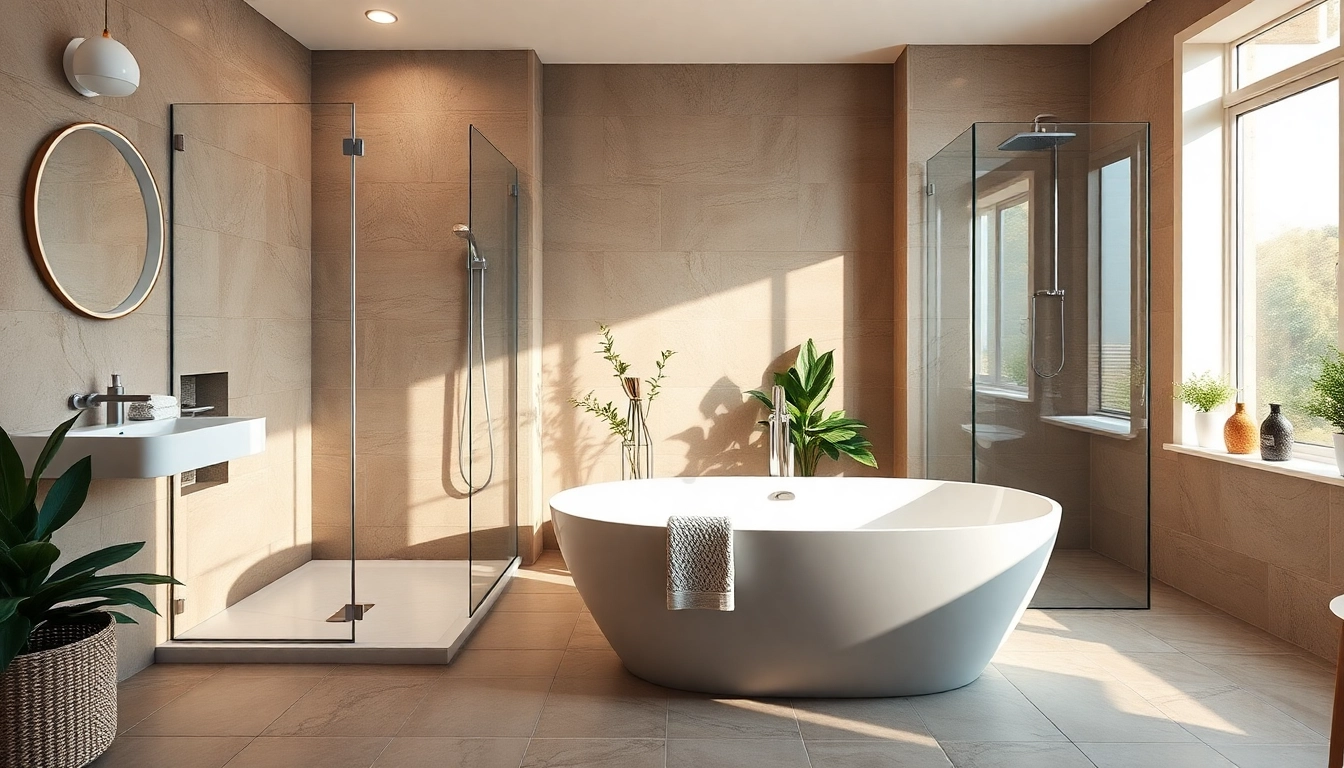

Understanding the Role of Bathroom Fitters
Bathroom fitters play a vital role in transforming spaces into functional and aesthetically pleasing areas. Whether you’re looking to modernize an outdated bathroom or tackle a complete renovation, understanding what bathroom fitters do can help you optimize your project. Utilizing professional bathroom fitters not only ensures quality workmanship but can elevate the overall value of your home as well.
What Does a Bathroom Fitter Do?
A bathroom fitter is a skilled tradesperson specializing in the installation and renovation of bathroom fixtures and fittings. This includes installing showers, bathtubs, sinks, toilets, storage units, and more. Fitters may also work with various materials, such as tiles, wood, and pipes, to ensure proper installation complies with building codes and safety standards.
The Importance of Professional Installation
Opting for a professional installation can mitigate risks associated with DIY projects. Incorrect installations can lead to leaks, structural damage, and costly repairs down the line. Experienced fitters stay updated on the latest trends and technologies, providing peace of mind that your bathroom will not only look good but function well for years to come.
Essential Skills and Tools of Bathroom Fitters
Bathroom fitters need a range of skills to execute projects effectively:
- Technical Skills: Understanding plumbing and electrical systems is vital.
- Problem Solving: The ability to identify issues and resolve them on the go is crucial, especially during remodeling.
- Attention to Detail: Precision in measurements and installations can make a significant difference in quality.
Common tools used by bathroom fitters include drills, wrenches, pipe cutters, and trowels, allowing them to perform a variety of tasks efficiently.
Choosing the Right Bathroom Fitters for Your Project
Key Qualities to Look For
When selecting bathroom fitters, consider these key attributes:
- Experience: Look for professionals with a proven track record in bathroom installations.
- Certifications: Ensure they have the necessary licenses and certifications for plumbing and electrical work.
- Recommendations: Seek recommendations from friends or online reviews; satisfied customers often indicate reliable service.
How to Evaluate Customer Reviews
Customer reviews can provide valuable insights into a fitters’ capabilities:
- Look for Consistencies: Patterns in feedback can point out recurring strengths or weaknesses.
- Assess Responsiveness: How they handle negative reviews can indicate their professionalism and commitment to customer satisfaction.
Estimating Costs and What to Expect
The cost of hiring bathroom fitters can vary based on numerous factors:
- Scope of Work: A simple fitting will cost less than a complete remodel.
- Quality of Materials: Higher quality materials generally come at a higher cost.
- Labor Costs: Labor may cost between £160 to £210 per day, depending on the complexity and region.
On average, anticipate spending between £5,000 and £15,000 for a full bathroom renovation.
Popular Bathroom Designs Executed by Expert Fitters
Modern vs. Traditional Bathroom Styles
The choice between modern and traditional designs often depends on personal taste and existing home aesthetics. Modern bathrooms typically emphasize minimalism, clean lines, and innovative fixtures, while traditional designs lean towards ornate details and classic materials.
Incorporating Luxury Elements with Functionality
To achieve a perfect balance between luxury and functionality, consider:
- Freestanding Tubs: These act as the bathroom’s centerpiece, combining elegance with relaxation.
- Rainfall Showerheads: Offering a spa-like experience while ensuring practicality.
- High-End Materials: Marble countertops or custom cabinetry can elevate the overall look.
Customization Options that Impress
Today’s bathroom fitters can offer extensive customization options, including:
- Personalized Lighting: Installation of smart lighting solutions to enhance ambiance.
- Unique Tile Patterns: Custom tile designs that reflect individuality.
- Integrated Technology: Smart showers, heated floors, and adjustable mirrors.
Challenges Faced by Bathroom Fitters and How They Overcome Them
Common Installation Problems and Solutions
Bathroom projects often encounter a variety of challenges. Common issues include:
- Uneven Walls: Can lead to tiling problems. Fitters can use leveling techniques to resolve this.
- Plumbing Issues: Old or faulty plumbing can cause delays. Regular inspections and updates before installations can help avoid this.
- Tight Spaces: Make installations tricky but can be solved with custom fittings and flexible design layouts.
Handling Customer Expectations Effectively
Clear communication regarding timelines and project scope is essential. Fitters should:
- Provide detailed project plans before starting any work.
- Be transparent about potential delays or unforeseen issues.
- Stay accessible for questions or concerns during the project duration.
Navigating Unexpected Design Changes
Customers may change their minds during the renovation process, necessitating flexibility from the fitters. Strategies to manage this include:
- Establishing Clear Milestones: Allow for feedback and adjustments at each stage.
- Offering Alternatives: Providing options can facilitate choices without derailing timelines.
Improving Your Bathroom’s Value with Professional Fitting
Life-Enhancing Benefits of a Bathroom Upgrade
A well-executed bathroom renovation can significantly improve lifestyle and home comfort:
- Increased Functionality: Better layouts enhance usability.
- Enhanced Relaxation: Spa-like features promote a soothing atmosphere.
ROI on Bathroom Remodeling
Investing in a bathroom remodel can yield impressive returns:
- Average ROI: Most homeowners recoup about 60% to 70% of their bathroom renovation costs when selling their home.
- Instant Appeal: Upgraded bathrooms often attract buyers and can distinguish your home in a competitive market.
Maintenance Tips for Lasting Quality
Post-installation maintenance is essential for sustaining your bathroom’s quality:
- Regular Cleaning: Help prevent mold and mildew buildup.
- Professional Inspections: Annual checks on plumbing and electrical systems can prevent larger issues.
- Quality Products: Choosing durable materials can decrease future repair costs.