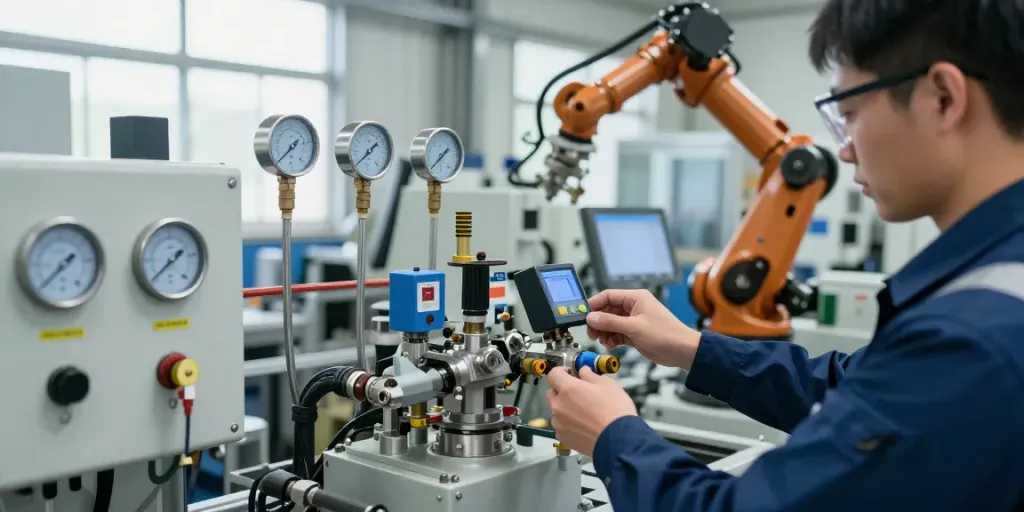
Understanding Mechanical Vacuum Switches
In various industrial applications, reliable pressure control is essential for maintaining system efficiency and safety. Mechanical vacuum switches play a pivotal role in ensuring that vacuum levels remain within specified limits, facilitating optimal operations across various sectors such as HVAC, food processing, and manufacturing. These devices, which utilize mechanical components to detect and respond to vacuum pressure, are vital in numerous automation scenarios. When exploring options, mechanical vacuum switch technologies offer valuable insights into maintaining operational integrity.
What is a Mechanical Vacuum Switch?
A mechanical vacuum switch is a device designed to activate or deactivate electrical contacts when a predetermined vacuum level is reached. Unlike electronic switches, mechanical vacuum switches operate based on physical movement of components, typically utilizing diaphragms or bellows that react to changes in pressure. This makes them particularly advantageous in environments where electronic devices may be vulnerable to conditions such as dust, moisture, or extreme temperatures.
How Mechanical Vacuum Switches Work
The operation of a mechanical vacuum switch is straightforward: as the vacuum level changes, the mechanical components within the switch respond to the pressure differences. When the vacuum drops below a specified set point, the internal mechanism triggers a switch that can either open or close an electrical circuit. The simplicity of this design often translates to greater reliability and longevity compared to electronic alternatives. Furthermore, mechanical switches typically require less maintenance, as they have fewer complex components that can fail over time.
Applications of Mechanical Vacuum Switches
Mechanical vacuum switches are utilized in a variety of applications across multiple industries. Below are some key sectors where these switches are commonly employed:
- HVAC Systems: Used to monitor and control vacuum levels in refrigeration systems, ensuring optimal performance and energy efficiency.
- Food Processing: Essential for packaging applications where vacuum levels affect food preservation and shelf life.
- Manufacturing: Employed in automated processes where vacuum control is critical for material handling and product quality.
- Laboratories: Utilized in scientific applications that require precise monitoring of vacuum levels in experimental setups.
Pros of Mechanical Vacuum Switches
Durability and Long Service Life
One of the standout benefits of mechanical vacuum switches is their robust design, which often includes materials such as stainless steel. This durability not only allows them to withstand harsh environmental conditions but also contributes to a long service life, reducing the frequency of replacements and maintenance. Many models are rated for millions of cycles, which is critical in high-demand applications.
Cost-Effectiveness in Industrial Applications
Mechanical vacuum switches present a cost-effective solution for monitoring vacuum levels. Their simple design translates to lower production costs, and since they require minimal maintenance, the overall total cost of ownership tends to be lower when compared to electronic alternatives. This is particularly beneficial for industries operating on tight margins where every cost-saving measure counts.
Ease of Installation and Calibration
Installation and calibration of mechanical vacuum switches are generally straightforward. Most models come equipped with external adjustment screws and visual scales that facilitate field calibration without the need for specialized tools. This ease of use allows for quick setup and adjustments, enabling operators to adapt to changes in operational requirements without extensive downtime.
Cons of Mechanical Vacuum Switches
Limitations Compared to Electronic Alternatives
While mechanical vacuum switches offer many advantages, there are limitations when compared to their electronic counterparts. For instance, electronic switches often provide enhanced precision and the ability to integrate with advanced control systems. They may also offer functionalities such as remote monitoring and data logging, which mechanical switches do not typically possess.
Potential for Mechanical Wear Over Time
Despite their durability, mechanical switches are still subject to wear and tear, especially in high-usage scenarios. Over time, the mechanical components may degrade, impacting the accuracy of the vacuum sensing. Regular maintenance is essential to ensure that the switch continues to operate correctly, which may not be as straightforward as the maintenance for electronic devices.
Calibration Challenges in Certain Environments
In specific environments where rapid changes in pressure are common, mechanical switches may face challenges in maintaining accurate calibration. External factors such as temperature fluctuations, vibrations, or corrosive substances can affect a mechanical vacuum switch's performance, necessitating regular checks and recalibrations to ensure reliable operation.
Best Practices for Using Mechanical Vacuum Switches
Installation Guidelines for Optimal Performance
To achieve the best performance from a mechanical vacuum switch, proper installation is crucial. Following these guidelines can help:
- Ensure that the switch is mounted securely to prevent movement that could affect its accuracy.
- Position the switch away from direct heat sources to minimize temperature effects.
- Use appropriate sealing methods to protect against moisture and dust ingress.
Regular Maintenance Tips
Routine maintenance is vital to prolong the life of mechanical vacuum switches. Consider implementing the following practices:
- Inspect the switch regularly for signs of wear or damage.
- Perform calibrations at recommended intervals to ensure accuracy.
- Clean the external surfaces to prevent buildup of dust and debris.
Troubleshooting Common Issues
Identifying and resolving issues with mechanical vacuum switches can often be accomplished through systematic troubleshooting. Common issues include:
- Switch not activating: Check for blockages or ensure the vacuum level has reached the set point.
- Inaccurate readings: Calibrate the switch and inspect for any mechanical damage.
- Frequent cycle failure: Evaluate the operating conditions and check for excessive wear on internal components.
The Future of Mechanical Vacuum Switches in 2026
Emerging Technologies in Pressure Sensing
As industries evolve, so do the technologies that support them. The future of mechanical vacuum switches will likely involve advancements in materials and design, enhancing their durability and efficiency. Innovations such as smart materials may improve the responsiveness of switches, while advancements in manufacturing techniques could reduce production costs further.
Industry Trends Impacting Mechanical Switch Adoption
Market trends such as increased automation in manufacturing and stricter regulations on energy efficiency may drive demand for reliable vacuum switches. Mechanical switches might find renewed interest in applications where robustness and reliability are non-negotiable, particularly in regions with challenging environmental conditions.
Case Studies of Successful Implementations
Several industries have successfully integrated mechanical vacuum switches into their operations, showcasing their effectiveness. For instance, in a food packaging facility, the use of mechanical vacuum switches streamlined the packaging process, ensuring consistent vacuum levels that significantly extended product shelf life. Similarly, in HVAC applications, operators reported reduced downtime and maintenance costs due to the reliable performance of mechanical switches.
What is a vacuum switch used for?
A vacuum switch is used primarily to monitor and control vacuum levels in various systems, ensuring that they function within specified parameters. This is crucial for maintaining the integrity and efficiency of industrial processes.
Is a vacuum switch the same as a pressure switch?
While both vacuum and pressure switches are designed to monitor pressure levels, they operate on opposite ends of the pressure spectrum. A vacuum switch activates when the pressure drops below a certain point, while a pressure switch activates when pressure exceeds a predetermined level.
What is an automatic vacuum switch?
An automatic vacuum switch is a device that not only monitors vacuum levels but can also automatically adjust operations or alert operators if vacuum levels fall outside the desired range. This automation can enhance system reliability and reduce manual intervention.
Can you run a pellet stove without a vacuum switch?
A vacuum switch is critical for the safe operation of a pellet stove, as it ensures that proper airflow and pressure levels are maintained. Operating without one can lead to improper combustion and potential safety hazards.
What are the advantages of mechanical vacuum switches?
Mechanical vacuum switches offer numerous advantages, including durability, cost-effectiveness, ease of installation, and reliability in harsh environments. Their simplicity makes them a popular choice in industrial applications that require consistent performance.