

Understanding Leak Detection: Essential Concepts
Leak detection is a critical aspect of maintaining a safe and efficient home. It involves identifying and locating leaks in various systems, including water, gas, and heating. Understanding the fundamentals of leak detection can not only prevent costly repairs but also enhance the comfort and safety of your living space. This article will explore the importance of early leak detection, the common types of leaks homeowners may encounter, and the technologies used to detect them.
What is Leak Detection? An Overview
Leak detection refers to the methods and technologies employed to identify leaks in residential properties. These leaks can occur in various systems, including plumbing, heating, and gas lines. The primary goal of leak detection is to prevent damage to property and mitigate risks associated with water or gas leaks. By using advanced tools and techniques, professionals can accurately locate leaks, often without invasive procedures.
Importance of Early Leak Detection for Homeowners
Detecting leaks early is crucial for several reasons:
- Cost Savings: Early detection can save homeowners from extensive repairs and high utility bills caused by undetected leaks.
- Property Protection: Water leaks can lead to structural damage, mold growth, and compromised safety. Addressing leaks promptly helps protect your property.
- Health Risks: Hidden leaks can cause mold and mildew, leading to respiratory issues and other health concerns for residents.
- Increased Home Comfort: A well-maintained plumbing system ensures consistent water pressure and temperature, enhancing overall comfort.
Common Types of Leaks Found in Residential Properties
Homeowners may encounter various types of leaks, including:
- Water Supply Leaks: These leaks can occur in hot and cold water lines, leading to significant water loss and damage.
- Gas Leaks: Highly dangerous, gas leaks require immediate attention to prevent fire or explosions. Detecting gas leaks typically involves specialized equipment.
- Heating System Leaks: Leaks in radiators or boiler pipes can lead to inefficient heating and potential damage to the heating system.
- Drainage Leaks: These can cause water pooling and structural damage if not addressed promptly.
Advanced Technologies in Leak Detection
As technology advances, so do the methods used for detecting leaks. Here are some of the most effective technologies available today:
How Thermal Imaging Enhances Leak Detection
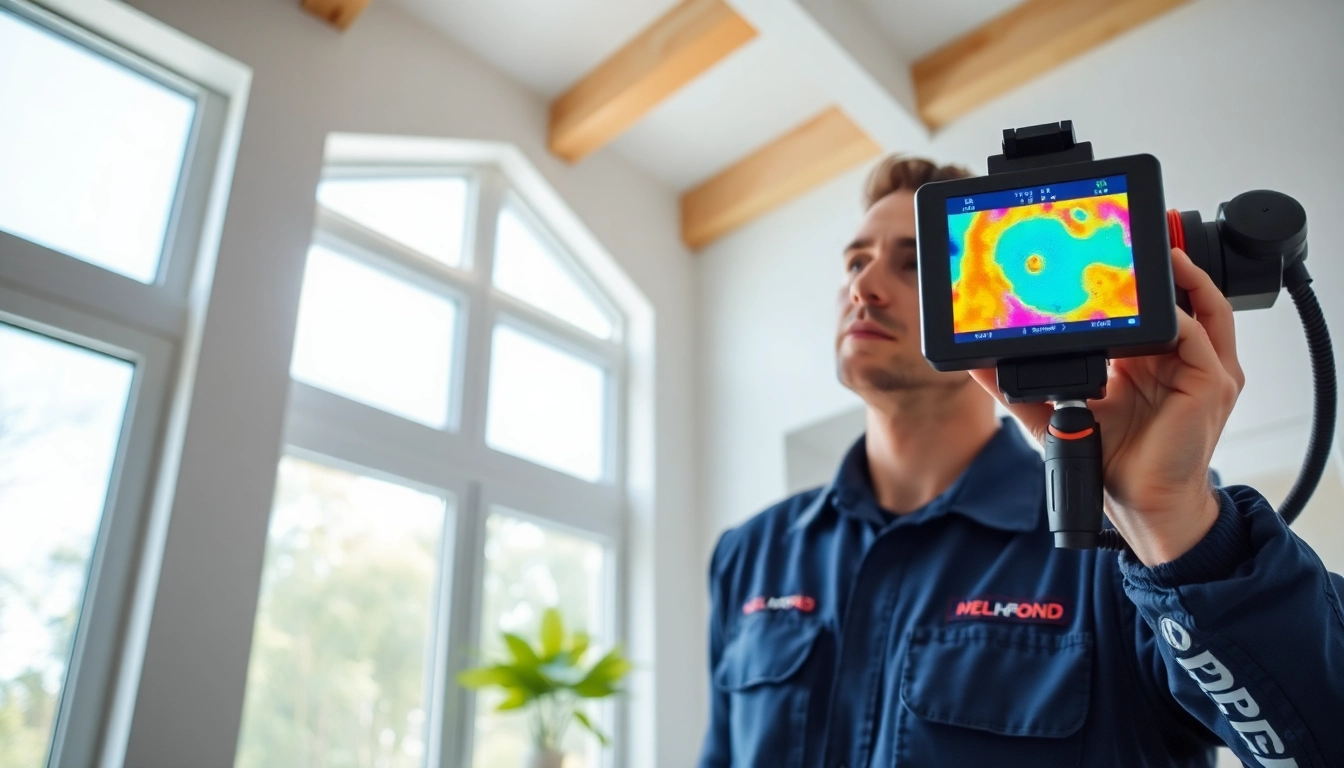
Thermal imaging cameras are used to visualise temperature differences in building materials, helping locate hidden leaks in walls and ceilings. By detecting variations in temperature, technicians can precisely identify the presence of moisture, enabling targeted repairs.
The Role of Acoustic Devices in Identifying Leaks
Acoustic devices are instrumental in detecting leaks that may be out of sight. These devices pick up the sounds made by escaping gas or water, even if the leak is underground or hidden behind walls. This technology is particularly effective in urban areas where traditional detection methods may be less effective.
Pressure Testing: A Proven Method for Leak Location
Pressure testing involves isolating sections of the plumbing system and monitoring pressure changes to identify leak locations. This method is valuable for locating leaks in larger systems and can help ensure that repairs are made effectively.
Non-Invasive Leak Detection Methods
Non-invasive methods have become increasingly popular in leak detection due to their ability to minimize damage to property. Here are some notable techniques:
Benefits of Non-Destructive Techniques
Non-destructive techniques allow for the detection of leaks without damaging walls, ceilings, or floors. Benefits include:
- Preservation of Property: Prevents unnecessary damage during the detection process.
- Faster Solutions: Reduces the time required for repairs by targeting specific areas for inspection.
- Less Mess: Minimizes the need for cleanup after detection and repair work.
Moisture Mapping: Understanding Your Home’s Health
Moisture mapping involves using specialized equipment to assess moisture levels in walls, floors, and ceilings. This method not only helps locate leaks but also identifies areas susceptible to future leaks, enabling proactive maintenance.
Implementing Advanced Scanning Technologies
Advanced scanning technologies, such as infrared scanning, can provide detailed insights into your home’s plumbing system. By understanding the health of your plumbing, you can make informed decisions about repairs and maintenance.
Choosing the Right Leak Detection Service
When it comes to selecting a leak detection service, it’s essential to consider several factors that can influence the effectiveness of the service you receive:
What to Look for in a Leak Detection Company
Key considerations include:
- Experience: Choose a company with a proven track record in leak detection.
- Certifications: Ensure the technicians are certified and adhere to industry standards.
- Technology: A company that uses the latest detection technologies will likely provide more accurate and efficient service.
Reading Reviews and Customer Testimonials
Before hiring a leak detection service, read customer reviews and testimonials. Feedback from previous clients can provide insights into the reliability and effectiveness of the service.
Comparing Costs and Services Offered
Costs can vary widely between service providers. It’s advisable to get quotes from several companies and compare the services offered. Look for transparency in pricing and ensure there are no hidden fees.
Future Trends in Leak Detection Technologies (2025 and Beyond)
The field of leak detection is evolving rapidly, with several trends likely to shape its future:
Emerging Innovations in Leak Detection Systems
Innovations such as smart sensors and Internet of Things (IoT) technology are expected to play a significant role in future leak detection systems. These devices will enable real-time monitoring and alert homeowners to potential leaks before they become significant issues.
Impact of IoT on Home Leak Monitoring
The integration of IoT technology into home plumbing systems can facilitate continuous monitoring. Homeowners may receive alerts on their smartphones when anomalies are detected, allowing for timely responses to leaks.
Preparing Your Home for Future Leak Detection Advances
To stay ahead of potential leaks, homeowners should consider investing in modern plumbing systems equipped with leak detection capabilities. Regular maintenance and timely upgrades can help ensure your home remains safe and efficient in the years to come.