








Understanding Trace and Access
What is Trace and Access?
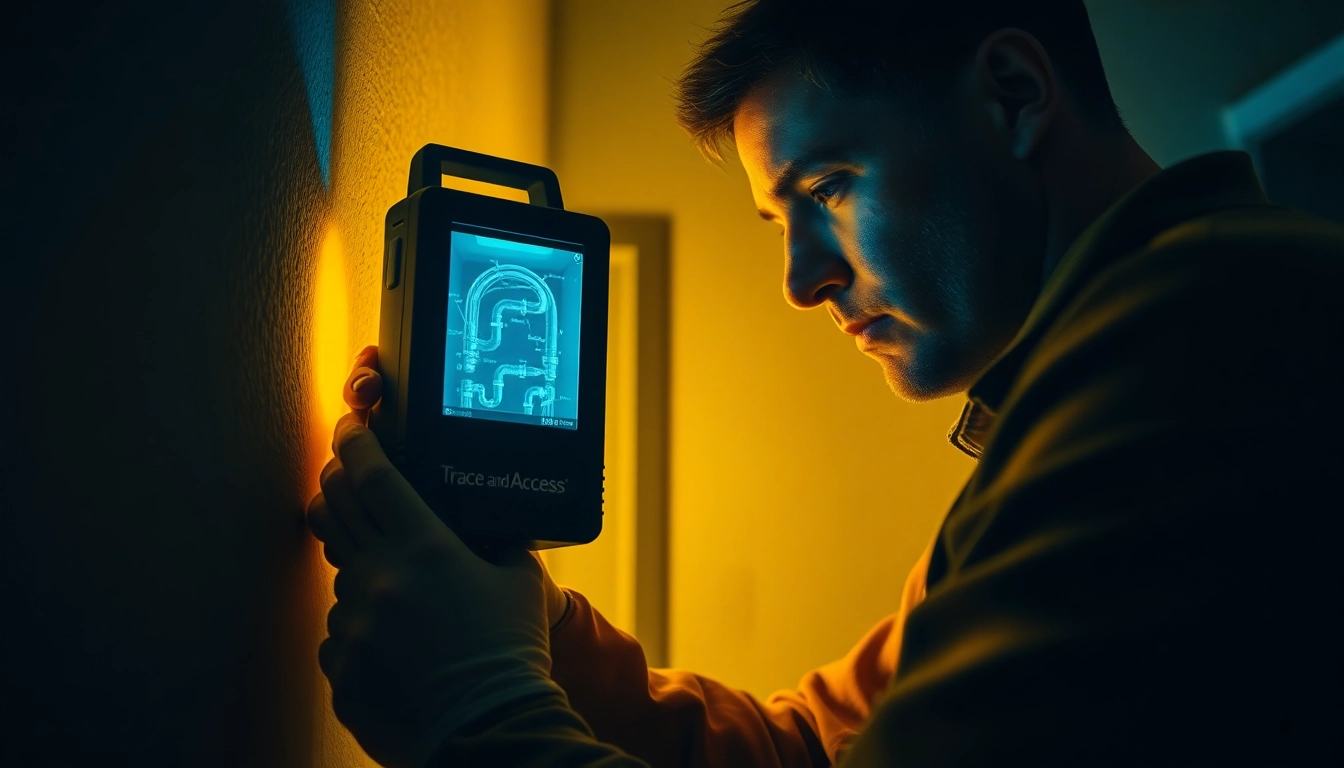
Trace and Access is a term widely used in the insurance and plumbing industries to describe the process of locating and accessing the source of a leak or damage within a property. This process involves a combination of specialized techniques and advanced technology designed to pinpoint leaks without causing unnecessary damage to the structure. For homeowners, having Trace and Access coverage is crucial, as it can significantly reduce the financial burden that comes with locating and repairing any issues.
Importance of Trace and Access Coverage
The importance of Trace and Access coverage cannot be overstated. Without this coverage, homeowners may face significant out-of-pocket expenses to remedy leaks, particularly if it involves invasive measures such as removing wallboard, floorboards, or other structural elements. By including Trace and Access coverage in their home insurance policy, homeowners ensure that they are protected not only from repair costs but also from the costs associated with locating the source of leaks.
Moreover, Trace and Access is often an essential requirement from insurers before any claims related to water damage can be processed effectively. It highlights responsible ownership and foresight in managing potential home issues.
Common Applications of Trace and Access
Trace and Access is commonly applied in various scenarios, including:
- Plumbing leaks: When suspecting leaks in plumbing systems, especially within walls or underground pipes, Trace and Access techniques can assist in determining the exact point of failure without requiring extensive demolition.
- Roof leaks: In cases where water ingress is observed but not easily traced, this coverage can facilitate quick identification efforts.
- Heating and cooling systems: Trace and Access can help in identifying leaks within heating and cooling systems, minimizing disruption and repair costs.
Benefits of Trace and Access
Cost Savings and Insurance Implications
One of the most significant benefits of Trace and Access coverage is cost savings. Homeowners can avoid the financial strain of having to cover repair and retrieval costs associated with leaks. Without this coverage, insurance policies may not cover damages incurred while locating the leak, leading to substantial expenses being incurred by the homeowner.
Moreover, Trace and Access can streamline the claims process, as insurers may require proof of a covered leak investigation before approving any claim for damage. Having this coverage simplifies compliance with these requirements, ensuring timely repairs and less stress overall.
Protecting Your Property Value
Having adequate Trace and Access coverage is synonymous with safeguarding your property value. Undetected leaks can lead to severe damage over time, including structural issues, mold growth, and a decrease in the overall value of the home. By quickly addressing leaks through effective tracing methods, homeowners can maintain their property value and avoid potential depreciation.
Enhancing Peace of Mind
Knowing that your insurance policy includes Trace and Access coverage provides peace of mind for homeowners. It mitigates the fear of unforeseen circumstances arising from hidden leaks or damage in the home. With this coverage, homeowners can act promptly when they suspect an issue, knowing the costs associated with locating the leak will be covered.
Methods Used in Trace and Access
Technologies for Leak Detection
Modern leak detection methods incorporate various advanced technologies that enhance the accuracy and efficiency of the tracing process. Some of the most common technologies include:
- Acoustic Sensors: Used to detect the sounds of leaking water, allowing for precise identification of leak origins.
- Thermography: Utilizing infrared cameras to identify temperature differences resulting from leaks, which can be particularly effective for hidden pipes.
- Tracer Gas Detection: Involves introducing a harmless gas into the plumbing system and using sensitive detectors to identify escape points, invaluable for non-intrusive tracing.
Traditional vs. Modern Techniques
While traditional leak detection methods involved extensive physical inspections and guesswork, modern techniques have revolutionized the field. Traditional methods might include visual inspections, plumbing diagnostics, and trial and error to pinpoint the source of leaks, often resulting in property damage.
Conversely, modern trace and access techniques are non-invasive, highly effective, and significantly reduce the need for demolition or extensive repairs. The level of precision offered by technological advancements also contributes to cost savings in the long run.
Best Practices for Effective Implementation
To maximize the effectiveness of Trace and Access, homeowners and professionals should follow several best practices:
- Regular Inspections: Conducting routine inspections can help identify potential leaks before they escalate into larger issues.
- Invest in Technology: Utilizing advanced leak detection technology can substantially minimize the time and cost associated with locating leaks.
- Engage Professionals: Utilizing qualified professionals who are familiar with current leak detection technologies ensures effective and accurate assessments.
Challenges in Trace and Access
Common Obstacles in Detecting Leaks
Despite the advancements in tracing techniques, several challenges can hinder the effectiveness of Trace and Access efforts. Common obstacles include:
- Hidden Systems: In many homes, plumbing and HVAC systems are concealed, making it difficult to visually assess potential leak sites.
- Multiple Sources: A single water leak can sometimes mimic multiple issues, complicating the tracing process.
- Environmental Factors: High humidity, temperature fluctuations, and structural changes can impact leak detection accuracy.
Mitigating Risks During Access
During the process of accessing leaks, it is crucial to mitigate risks to avoid further damage or safety hazards. This can be done by:
- Planning Access Points: Identifying and planning designated access points reduces the need for excessive demolition.
- Use of Protective Measures: Implementing protective measures, such as laying down tarps, can protect against additional damage during work.
- Ensuring Proper Ventilation: Adequate ventilation is essential when working in confined spaces, particularly when dealing with plumbing systems.
Handling Unexpected Issues
Sometimes, the Trace and Access process may encounter unexpected issues, such as discovering additional damage or complications. To effectively handle these situations:
- Maintain Clear Communication: Keeping open lines of communication with all parties involved can facilitate quicker resolutions.
- Document Everything: Recording and documenting all findings, decisions, and steps taken throughout the process can provide clarity and accountability.
- Adapt and Adjust: Flexibility in approach can lead to successful navigation around unforeseen challenges.
Evaluating Performance in Trace and Access
Key Metrics for Success
To measure the success of Trace and Access efforts, consider the following metrics:
- Time to Locate: Track the time taken from suspicion of a leak to its successful location.
- Cost Effectiveness: Analyze costs associated with the tracing process against the final outcomes.
- Damage Mitigation: Evaluate how much damage was avoided through effective leak detection practices.
User Experiences and Case Studies
Numerous case studies illustrate the benefits and challenges of Trace and Access. Homeowners who have faced severe leaks often report that engaging professionals with Trace and Access capabilities resulted in timely identification and repair, preserving valuable property and minimizing extensive damage. User feedback often highlights the importance of prompt action and professional guidance in overcoming trace and access challenges.
Future Trends in Trace and Access Technologies
The future of Trace and Access is poised for exciting advancements. With continuous innovation in technology, we can expect to see enhanced methods for leak detection, including:
- AI-Powered Diagnostics: Artificial intelligence is expected to play a crucial role, as data analytics can offer predictive insights into potential plumbing issues.
- Enhanced Sensor Technology: Future developments in sensor technology will improve accuracy and efficiency in detecting leaks.
- Integration with Smart Home Systems: As smart homes become increasingly common, integrating Trace and Access capabilities into these systems can lead to quicker response times and preventative maintenance.