








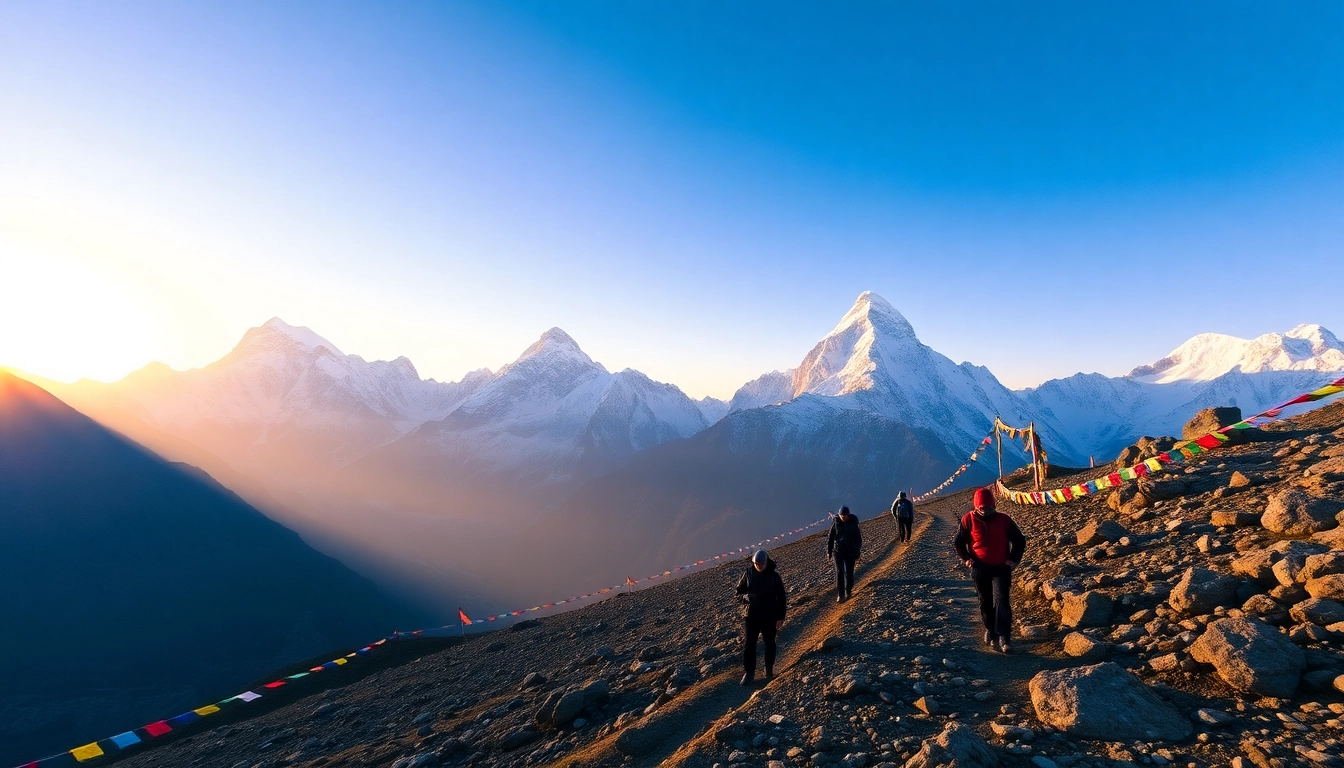
Overview of the Everest Base Camp Trek
The Everest Base Camp Trek is one of the most iconic trekking routes in the world, attracting adventurers, nature lovers, and mountaineering enthusiasts alike. This trek leads you through the breathtaking landscapes of the Khumbu region, culminating at the base of the world’s highest peak, Mount Everest. Over 14 days, trekkers navigate through charming Sherpa villages, lush forests, and rugged mountain terrain, while absorbing the rich culture and history of the Sherpa people. The trek not only offers stunning views but also a profound sense of accomplishment as you ascend to elevations that challenge even the most experienced trekkers.
What is the Everest Base Camp Trek?
The Everest Base Camp Trek is a challenging yet rewarding journey that encompasses a total distance of approximately 130 kilometers (80 miles) round-trip, with diverse terrains and altitudes. It typically takes around 14 days to complete, which includes acclimatization days to assist trekkers in adapting to the high altitude. The trek begins in Kathmandu, where adventurers fly to Lukla, the gateway to the Everest region. From there, the journey unfolds through picturesque landscapes, ancient monasteries, and vibrant Sherpa settlements, ultimately leading to the famous base camp at 5,364 meters (17,598 feet).
Why Choose Ace the Himalaya for Your Trek?
Ace the Himalaya has a rich history of organizing treks in Nepal, having provided exceptional services since 2006. They are known for their commitment to safety, personalized service, and ecological sustainability. Their knowledgeable guides, who are well-trained in first aid and high-altitude trekking, ensure that each trekker receives the necessary support, making this adventure accessible to both beginners and seasoned trekkers. Their dedication to responsible tourism helps preserve the beautiful landscapes and communities along the trekking routes.
Key Highlights and Attractions Along the Trek
- Namche Bazaar: A vibrant trading hub where trekkers acclimatize and enjoy the local culture.
- Tengboche Monastery: The largest monastery in the region, offering stunning views of Everest and Lhotse.
- Kala Patthar: Renowned for its panoramic sunrise views of Mount Everest, making it a must-see highlight.
- Everest Base Camp: The ultimate destination for trekkers, where breathtaking views of Khumbu Glacier await.
- Scenic Landscapes: Experience lush forests, glacial rivers, and towering peaks throughout the trek.
Short Itinerary for the 14-Day Trek
The following is a brief overview of the itinerary designed for the 14-day Everest Base Camp Trek. The plan allows for ample acclimatization while ensuring that trekkers can enjoy the stunning scenery and cultural landmarks along the route.
Detailed Day-to-Day Breakdown
- Day 1: Arrival at Tribhuvan International Airport in Kathmandu.
- Day 2: Fly to Lukla from Kathmandu; trek to Phakding.
- Day 3: Trek to Namche Bazaar.
- Day 4: Acclimatization day at Namche; hike to Hotel Everest View.
- Day 5: Trek to Tengboche.
- Day 6: Trek to Dingboche.
- Day 7: Acclimatization day; hike to Nangkartsang Peak.
- Day 8: Trek to Lobuche.
- Day 9: Trek to Everest Base Camp and return to Gorak Shep.
- Day 10: Hike to Kala Patthar; descend to Pheriche.
- Day 11: Trek to Namche Bazaar.
- Day 12: Trek back to Lukla.
- Day 13: Fly back to Kathmandu.
- Day 14: Transfer to the International Airport for your final departure.
Acclimatization and Its Importance
Acclimatization is crucial for safely undertaking the Everest Base Camp Trek, as it allows your body to adjust to the decrease in oxygen levels at high altitudes. Ace the Himalaya’s itinerary includes dedicated acclimatization days, particularly in Namche Bazaar and Dingboche, where trekkers can hike to higher elevations before returning to sleep at a lower altitude. This strategy mitigates the risks of altitude sickness and ensures a more enjoyable trek.
Best Times to Embark on the EBC Trek
Spring (March to May) and autumn (September to November) are the best seasons for trekking to Everest Base Camp. During these months, the weather conditions are generally stable, providing clear views and warmer temperatures, making the journey more comfortable. It is advisable to avoid the monsoon season due to heavy rainfall, which can lead to landslides and trail closures.
Inclusions and Costs of the EBC Trek
Understanding what is included in your trek package is essential for budgeting and preparation. Ace the Himalaya offers a comprehensive package that covers various aspects of the trip, ensuring a seamless experience from start to finish.
What’s Included in Your Trek Package?
- Two nights’ accommodation in a 3-star hotel in Kathmandu.
- Domestic flights between Kathmandu and Lukla, including all necessary airport taxes.
- All meals during the trekking portion of the trip (breakfast, lunch, and dinner).
- Experienced English-speaking guide and necessary porters.
- Permits including TIMS and Sagarmatha National Park permits.
- Comprehensive first aid kit and emergency support.
Understanding the Cost Breakdown
The total cost for the Everest Base Camp Trek with Ace the Himalaya starts at approximately USD 1,650 per person. This base price includes all listed inclusions. Additional costs may arise depending on personal spending habits, such as purchasing drinks, snacks, and souvenirs along the trek.
Price Exclusions and Additional Expenses
While many expenses are covered in the trek package, certain items are not included. Fees for optional activities, purchases of drinks and snacks, personal gear, and travel insurance are the primary exclusions to consider. Trekkers should budget approximately USD 100 to 150 for additional expenses during the trek.
Packing Essentials for the Everest Base Camp Trek
Proper preparation and packing are essential for enjoying a successful trek to Everest Base Camp. Given the varying altitude and weather conditions, trekkers must equip themselves with the right clothing and supplies.
Clothing and Gear Recommendations
- Layered Clothing: Prepare for both warm days and frigid nights by utilizing layering techniques.
- Footwear: Invest in quality, waterproof trekking boots with good ankle support.
- Accessories: Don’t forget essentials like gloves, hats, and sunglasses for protection against sun and cold.
- Backpacks: Use a sturdy daypack for your daily essentials and a duffel bag for porters to carry.
Health and Safety Supplies
- First aid kit for minor injuries and altitude sickness medications.
- Water purification tablets or filters to ensure safe drinking water.
- Sun protection items, including sunscreen and lip balm.
Useful Items for Comfort During the Trek
- Snacks such as energy bars, trail mix, or dried fruits to keep energy levels up.
- Cameras or smartphones for capturing breathtaking views along the trek.
- Portable chargers for electronic devices, considering limited access to power outlets.
FAQs and Additional Information
Addressing common concerns and providing additional information can enhance the trekking experience for both first-time and seasoned trekkers alike.
Common Concerns for First-Time Trekkers
Many first-time trekkers wonder about the physical demands of the Everest Base Camp Trek and whether they need prior experience. Ace the Himalaya welcomes adventurers of all fitness levels, emphasizing that physical health and an eagerness to explore are vital. Training in advance through cardio and strength exercises is highly recommended to build endurance.
Travel Safety and Insurance Tips
It’s essential for trekkers to obtain travel insurance before embarking on the journey. This insurance should cover high-altitude trekking and include medical evacuation coverage. Understanding the terms of your insurance policy can provide peace of mind while trekking in the rugged terrain of the Himalayas.
Connecting with Your Trekking Guide
Establishing rapport with your guide is important for a successful trek. Guides from Ace the Himalaya are not only experienced in navigating the trails but also knowledgeable about the local culture and environment. Open communication will enhance your overall experience as your guide can tailor advice and insights based on your preferences and interests.